Everything-to-Grid Energy Systems: Guide to Grid Integration and Practical Insights
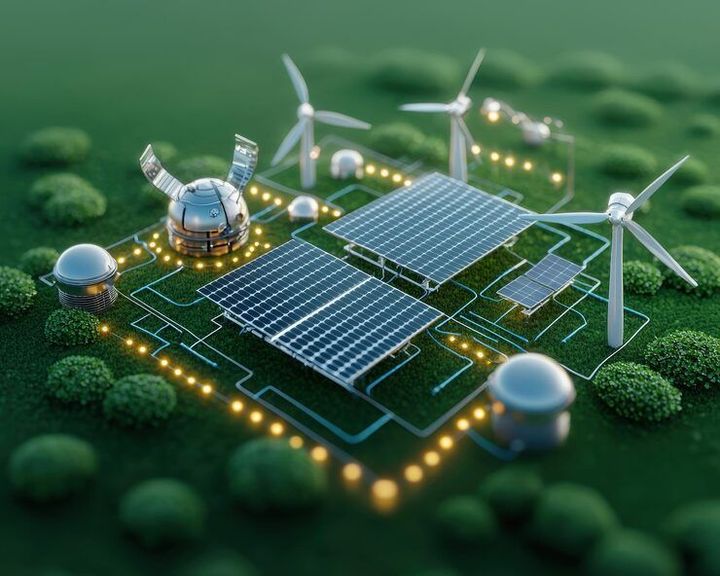
Everything-to-Grid energy systems describe energy technologies and control approaches that allow different energy resources, buildings, vehicles, batteries, and other electrical assets to exchange electricity with the power grid. The concept expands beyond traditional one-way electricity delivery by enabling connected resources to respond to grid conditions.
A conventional electricity network generally moves power from large generation plants through transmission and distribution networks toward homes, businesses, and industrial facilities. Modern grid integration adds distributed resources such as solar photovoltaic systems, battery energy storage, electric vehicles, smart buildings, and flexible loads.
The phrase “Everything-to-Grid” can therefore be understood as a broad framework rather than one specific machine. It includes several grid-interactive configurations, including Vehicle-to-Grid (V2G), Building-to-Grid (B2G), Home-to-Grid, Battery-to-Grid, and other distributed-energy arrangements.
What Does Everything-to-Grid Mean?
Everything-to-Grid systems connect electrical assets to a power network through suitable power electronics, communication systems, control software, metering equipment, and grid-interconnection technology.
For example, an electric vehicle can normally receive electricity from the grid to charge its battery. With bidirectional charging equipment and an appropriate grid connection, the vehicle battery can also send electricity back toward the grid under permitted operating conditions.
The same basic principle can apply to stationary batteries, buildings with flexible loads, renewable-energy installations, and other controllable electrical resources.
Main Components
An Everything-to-Grid setup can contain several layers:
Energy resources such as solar panels, wind systems, batteries, and electric vehicles
Bidirectional inverters or chargers for two-way power movement
Smart meters for measuring electricity flows
Energy management systems for coordinating connected assets
Communication networks for exchanging operating information
Grid-interconnection equipment for safe electrical connection
Control platforms for responding to electricity-system requirements
The exact configuration depends on the application, grid rules, available equipment, and required operating functions.
Importance
Everything-to-Grid energy systems are becoming increasingly relevant as electricity networks integrate more variable renewable generation and distributed energy resources.
Solar and wind generation can change according to weather conditions. Electricity demand also changes throughout the day. Flexible batteries, electric vehicles, buildings, and other connected resources can provide additional ways to coordinate generation and consumption.
Supporting Grid Flexibility
Grid flexibility refers to the ability of an electricity system to adjust generation, demand, storage, or power flows when conditions change.
An interconnected battery fleet, for example, can store electricity during selected periods and discharge during other periods. Similarly, some building loads can be shifted without significantly affecting normal operations.
Integrating Renewable Energy
Renewable generation can sometimes produce electricity at times when local demand is relatively low. Energy storage and flexible loads can help align electricity consumption with renewable generation.
This can reduce the need for renewable electricity to be curtailed when network conditions cannot accommodate all available generation.
Managing Electric Vehicle Growth
The increasing adoption of electric vehicles introduces substantial new electricity demand. Smart charging can coordinate charging schedules with grid conditions.
Bidirectional charging adds another potential capability by allowing suitable electric vehicles to provide electricity back to a building or electrical network when permitted by the equipment and applicable rules.
Improving Energy Coordination
Instead of treating every energy asset independently, an Everything-to-Grid framework can coordinate multiple resources through an energy management platform.
| Energy Resource | Grid Interaction | Typical Function |
|---|---|---|
| Solar PV | Grid-connected generation | Electricity generation |
| Battery storage | Two-way | Energy storage and discharge |
| Electric vehicle | One-way or two-way | Charging or energy export |
| Commercial building | Two-way electrical interaction | Flexible demand |
| Industrial load | Controlled demand | Load adjustment |
| Microgrid | Multi-resource | Local energy coordination |
Recent Updates
Developments between 2024 and 2026 have continued to increase interest in grid-interactive energy systems. Expansion of renewable generation, battery deployment, electric vehicles, distributed energy resources, and digital grid management has increased the need for coordinated control.
Growth of Bidirectional Charging
Bidirectional charging is receiving greater attention as vehicle batteries become potential flexible energy resources. V2G technology requires compatible vehicles, chargers, communication protocols, electrical protection, and an appropriate grid-interconnection arrangement.
Vehicle-to-Home (V2H) and Vehicle-to-Building (V2B) applications can use a vehicle battery primarily for local electrical loads rather than direct export to the wider electricity network.
Virtual Power Plant Development
Virtual Power Plants (VPPs) combine many distributed resources under coordinated software control.
A VPP may include batteries, solar installations, electric vehicles, flexible commercial loads, and other distributed assets. Individually, these resources may be relatively small, but coordinated operation can allow them to participate in certain grid-support functions.
Smarter Energy Management
Digital energy management platforms increasingly use real-time measurements, automated controls, forecasting, and communication systems to coordinate distributed resources.
These platforms can monitor electricity production, battery state of charge, demand patterns, and grid signals while applying predefined operating rules.
More Attention to Interoperability
Interoperability has become an important consideration because Everything-to-Grid systems can involve equipment from different manufacturers and communication environments.
Standards such as IEEE 1547, ISO 15118, and Open Charge Point Protocol (OCPP) are relevant to different parts of modern grid-interactive and electric-vehicle charging ecosystems. Their applicability depends on the specific system and jurisdiction.
Laws or Policies
Grid-connected energy systems are subject to electrical safety requirements, interconnection procedures, equipment standards, market rules, and utility requirements. These rules differ considerably between countries and electricity markets.
Grid Interconnection Requirements
A grid-connected distributed energy resource generally needs to satisfy applicable technical requirements before it can operate in parallel with the utility network.
These requirements can address:
Voltage and frequency behavior
Anti-islanding protection
Power quality
Synchronization
Protection systems
Communications
Testing and commissioning
Metering requirements
IEEE 1547 is an important technical standard for interconnecting distributed energy resources with electric power systems in the United States and other contexts where it is adopted or referenced.
Electric Vehicle Communication
ISO 15118 provides communication standards for electric vehicles and charging systems. Its capabilities include communication between a vehicle and charging infrastructure and support for advanced charging functions.
Bidirectional energy transfer requires additional compatibility between the vehicle, charger, electrical system, communication layer, and applicable grid requirements.
Regional Differences
Regulatory treatment can differ substantially:
North America has developed distributed-energy interconnection frameworks and demand-response markets.
Europe has expanded smart-grid, renewable-energy, and electric-mobility frameworks.
Asia-Pacific markets are developing different approaches to distributed generation, energy storage, and electric vehicles.
Emerging electricity markets may have different rules for exporting electricity from behind-the-meter resources.
Anyone planning a grid-interactive installation should check the requirements of the relevant electricity authority, utility, market operator, and electrical-code framework.
Tools and Resources
Understanding Everything-to-Grid energy systems requires attention to both physical equipment and digital controls.
Bidirectional Inverters
Bidirectional inverters control electricity flowing between DC equipment, such as batteries, and an AC electrical network.
They can perform functions such as:
DC-to-AC conversion
AC-to-DC conversion
Power-flow control
Grid synchronization
Voltage and frequency support functions where permitted
Bidirectional EV Chargers
A bidirectional charger can allow electricity to move between an electric vehicle battery and an electrical installation.
The charging system must be compatible with the vehicle, electrical infrastructure, communication protocols, and intended operating mode.
Battery Energy Storage Systems
Battery Energy Storage Systems (BESS) can store electricity and release it when required. A BESS generally includes battery modules, a battery management system, power-conversion equipment, thermal management, protection systems, and control software.
Energy Management Systems
An Energy Management System (EMS) coordinates electricity resources and loads.
An EMS may monitor:
Electricity generation
Building demand
Battery state of charge
Grid conditions
Vehicle charging
Energy schedules
Power limits
Smart Meters
Smart meters provide measurements that can help energy management platforms understand electricity consumption and export.
Depending on the installation, additional meters may be required for individual buildings, batteries, solar systems, or electric-vehicle equipment.
Communication and Control Platforms
Reliable communication is important when multiple distributed resources need coordinated control. Common technologies can include Ethernet, cellular networks, Wi-Fi, dedicated utility communication systems, and standardized application protocols.
Cybersecurity should also be considered because connected energy equipment can interact with critical electrical infrastructure.
Practical System Design
A basic Everything-to-Grid system can be understood through the following sequence:
Energy resource → Power electronics → Metering → Communication → Energy management → Grid connection
For example, an electric vehicle battery can store electricity through a bidirectional charger. The energy management system can monitor battery status and electricity demand. If permitted operating conditions are met, the system can coordinate charging or discharge according to predefined rules.
The physical installation must still comply with electrical protection and interconnection requirements.
FAQs
What are Everything-to-Grid energy systems?
Everything-to-Grid energy systems describe interconnected energy resources that can exchange electricity with the grid through appropriate power electronics, controls, communications, and grid-interconnection equipment.
How does Everything-to-Grid work?
The system measures electricity conditions, communicates operating information, and uses power-conversion equipment and control software to coordinate electricity movement between connected resources and the electrical network.
What is the difference between V2G and Everything-to-Grid?
Vehicle-to-Grid focuses specifically on electric vehicles exchanging electricity with the grid. Everything-to-Grid is a broader concept that can include vehicles, batteries, buildings, renewable generation, and flexible electrical loads.
Can a home participate in an Everything-to-Grid system?
A home can potentially participate through technologies such as solar PV, battery storage, smart appliances, controllable loads, and compatible electric-vehicle charging equipment. Actual grid participation depends on local regulations, utility programs, equipment compatibility, and interconnection requirements.
What equipment is needed for grid integration?
Equipment can include bidirectional inverters, smart meters, energy management systems, protection devices, communication hardware, batteries or other energy resources, and compatible grid-interconnection equipment.
Conclusion
Everything-to-Grid energy systems represent a broader approach to connecting distributed energy resources with modern electricity networks. The concept can include electric vehicles, batteries, buildings, renewable generation, flexible loads, and digital control platforms.
Successful grid integration depends on coordinated hardware, software, communication, measurement, protection, and regulatory compliance. As electricity systems become more distributed and digitally managed, interoperability and standardized communication will remain important considerations.
For organizations and households evaluating these systems, the practical starting point is to identify the available energy resources, determine the required power flows, review local interconnection requirements, and select compatible control and protection equipment.