Cruise Ship Entertainment: Guide to Live Shows, Music, and Performances
Cruise Ship Entertainment includes the live shows, music, performances, comedy, dance, theater, movies, interactive activities, and other cultural experiences presented onboard a cruise vessel. Entertainment has become an important part of the onboard environment, with programs designed for different ages, interests, languages, and travel styles.
Large cruise ships may contain dedicated theaters, lounges, nightclubs, comedy venues, outdoor stages, music areas, cinemas, and multipurpose spaces. Smaller ships may focus more on intimate concerts, cultural performances, lectures, piano music, or destination-related activities.
Cruise entertainment can range from a short live music session to a full theatrical production. Modern ships may combine performers with projection systems, moving stages, lighting, sound effects, digital screens, and other stage technologies.
Main Types of Cruise Entertainment
Live theater shows can include musical productions, theatrical performances, dance shows, and original stage productions.
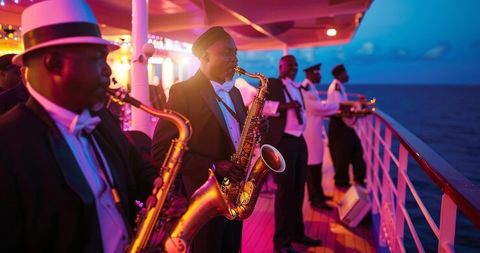
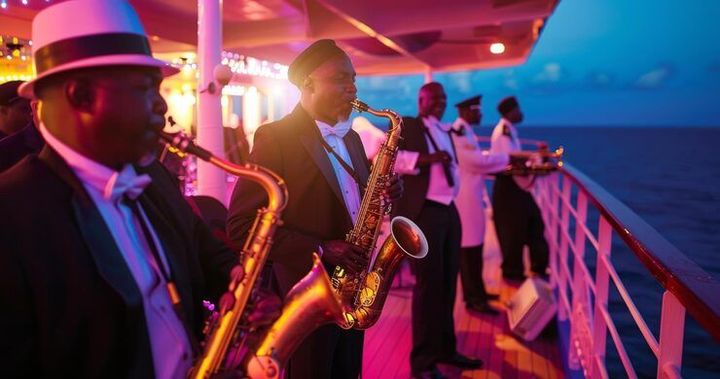
Live music may include solo musicians, bands, jazz groups, piano performances, classical ensembles, tribute performances, and regional music.
Comedy can include stand-up performances, comedy theater, family-oriented acts, and late-evening programs designed for adults.
Dance performances may feature contemporary dance, ballroom styles, cultural dances, or choreographed stage productions.
Interactive entertainment can include game shows, quizzes, audience participation, magic performances, themed events, and other activities.
Movies and screenings may take place in dedicated cinemas or outdoor areas using large screens.
Cultural performances can introduce passengers to music, dance, storytelling, food traditions, and artistic forms associated with destinations on the itinerary.
Entertainment Venues
A modern cruise ship can contain several different entertainment spaces. The main theater is usually designed for larger productions, while smaller lounges may accommodate live music or intimate performances.
Some ships also use atriums, pool decks, restaurants, clubs, and other public areas for performances. Cruise industry guidance describes entertainment ranging from theater productions and comedy to piano bars, karaoke, dance events, outdoor movies, and themed musical performances.
Importance
Creating Variety During Sea Days
Cruises can include days when passengers remain onboard while traveling between destinations. Entertainment gives passengers different ways to spend this time.
A single day may include a morning activity, afternoon music, an evening theater production, and late-night entertainment. Programs can therefore be distributed throughout the day rather than concentrated into one period.
Supporting Different Interests
Passengers have different preferences, so cruise entertainment generally includes multiple formats. One passenger may prefer a musical production, while another may choose live jazz, comedy, a movie, or a cultural presentation.
Large ships can accommodate several simultaneous programs because they have multiple venues.
Combining Entertainment With Technology
Modern cruise theaters can incorporate large digital displays, video mapping, automated stage equipment, advanced lighting, and moving stage elements.
The technology can change the way stories are presented. Cruise industry reports describe newer ships using technologically enhanced theaters, synchronized screens, video mapping, and moving stage elements as part of their productions.
Supporting Cultural Experiences
Entertainment can also connect passengers with destinations. Regional musicians, dancers, performers, and cultural educators may appear onboard as part of destination-focused programming.
This approach can introduce passengers to artistic traditions before or after visiting a particular destination. Cruise industry reporting in 2026 identified cultural immersion as an important travel trend, with cruise programs increasingly connecting onboard activities to destinations.
Common Entertainment Formats
| Entertainment Type | Typical Format | Possible Venue |
|---|---|---|
| Theater | Musical or dramatic production | Main theater |
| Live music | Band, soloist, jazz or piano | Lounge |
| Comedy | Stand-up or comedy show | Comedy venue |
| Dance | Choreographed performance | Theater |
| Magic | Stage or close-up performance | Lounge or theater |
| Cinema | Film screening | Cinema or outdoor deck |
| Karaoke | Passenger participation | Lounge |
| Cultural performance | Regional music or dance | Theater or public area |
| Game show | Audience participation | Theater or lounge |
Recent Updates
More Immersive Performances
Cruise entertainment is increasingly moving toward immersive formats in which audiences experience a performance across multiple spaces or interact more directly with the presentation.
Cruise Lines International Association reported in 2026 that cruise companies are developing entertainment that combines immersive storytelling, technology, and greater audience participation. Examples include multi-room magic experiences and pop-up performances in public areas.
Concert-Style Productions
Music programming is also expanding beyond traditional lounge performances. Some newer productions use concert-style staging focused on well-known musical eras, artists, or genres.
For example, cruise entertainment programs introduced in 2025 and 2026 have included film-and-concert formats, tribute productions, and larger musical performances combining singers, dancers, and musicians.
Larger and More Flexible Theaters
New cruise ships are being designed with entertainment spaces capable of supporting multiple forms of programming. A single venue may accommodate theater, music, multimedia presentations, and other performances through adaptable staging and technical systems.
The development reflects the broader evolution of cruise ships into destinations containing multiple entertainment environments rather than relying on one central theater.
Pop-Up Performances
Entertainment is also appearing outside traditional stages. Pop-up performances can take place in atriums, promenades, lounges, restaurants, and other public spaces.
These programs allow passengers to encounter music, dance, magic, or theatrical activity while moving through the ship rather than attending a scheduled theater performance.
Destination-Based Programming
Cruise entertainment increasingly incorporates local culture, particularly on itineraries focused on regions with distinctive music, dance, arts, and traditions.
This can include regional performers, cultural demonstrations, destination lectures, local music, and themed activities connected with ports on the itinerary.
Technology-Enhanced Stage Design
Projection, synchronized screens, automated stage equipment, special lighting, and digital effects are becoming increasingly integrated into large productions.
The technology allows stage designers to create changing environments without requiring a traditional physical backdrop for every scene. This can be particularly useful on ships where one theater may host several different programs.
Laws or Policies
International Passenger-Ship Requirements
Cruise ships operating internationally are subject to international maritime regulations. The International Maritime Organization states that passenger ships carrying more than 12 passengers on international voyages must comply with relevant IMO requirements, including the International Convention for the Safety of Life at Sea, known as SOLAS, and the Load Lines Convention.
These requirements concern the vessel and its operation rather than the creative content of entertainment programs.
Fire and Emergency Safety
Entertainment spaces contain seating, electrical equipment, lighting systems, stage equipment, cables, curtains, and other materials that require appropriate safety planning.
Passenger-ship regulations include requirements related to fire protection, escape routes, life-saving equipment, emergency arrangements, and operational readiness.
Entertainment venues therefore need to operate within the ship's broader emergency and evacuation arrangements.
Safe Return to Port
International passenger-ship safety rules also include the concept of Safe Return to Port, which addresses the ability of certain passenger ships to remain safely operational or return to port following specified fire or flooding situations.
In 2026, IMO's Sub-Committee on Ship Design and Construction agreed on revised explanatory material concerning safe return to port and orderly evacuation and abandonment following fire or flooding incidents.
Accessibility
Cruise operators may also consider accessibility when planning entertainment venues. Seating arrangements, pathways, entrances, visual information, hearing assistance, and accessible facilities can affect how passengers experience performances.
Requirements vary by vessel, itinerary, jurisdiction, and applicable accessibility rules, so passengers with specific needs should consult the relevant cruise operator and voyage documentation.
Copyright and Performance Rights
Music, films, theatrical works, recorded material, and other creative content can be protected by copyright. Cruise operators therefore need appropriate permissions and licensing arrangements when presenting protected works.
The exact requirements vary according to the work, country, licensing arrangement, and location of the performance.
Tools and Resources
Daily Cruise Programs
A ship's daily schedule is one of the most useful resources for understanding available entertainment. It may list theater times, music sessions, comedy, movies, activities, and venue locations.
Schedules can change because of weather, technical requirements, itinerary changes, or other operational conditions.
Cruise Apps
Many modern ships use mobile applications to display entertainment schedules, venue information, reservations, and notifications.
Passengers can use these tools to organize activities when several performances occur at similar times.
Theater and Venue Information
Venue descriptions can help passengers understand seating arrangements, expected performance duration, age requirements, accessibility features, and whether reservations are needed.
Destination Guides
Destination information can help passengers understand cultural performances connected with ports on the itinerary. Regional music, dance, food traditions, and historical presentations can provide additional context for a voyage.
Accessibility Resources
Passengers who require accessible seating, hearing assistance, mobility accommodations, or other arrangements can consult the cruise operator's accessibility information before departure.
Planning ahead can help identify suitable venues and understand available arrangements.
FAQs
What is Cruise Ship Entertainment?
Cruise Ship Entertainment includes live theater, music, comedy, dance, movies, magic, cultural performances, interactive activities, and other onboard programs.
What types of live shows are available on cruise ships?
Cruise ships can present musical theater, dance productions, comedy, magic, concerts, tribute performances, cultural shows, game programs, and multimedia productions. The selection varies by ship and itinerary.
Is live music available on cruise ships?
Yes. Live music can include piano performances, jazz, bands, solo musicians, classical groups, regional music, and concert-style productions. Larger ships may have several music venues operating at the same time.
Do cruise ships have Broadway-style shows?
Some cruise ships present large theatrical productions influenced by Broadway-style staging, while others use original productions or different theatrical formats. The format depends on the cruise operator, ship, and entertainment program.
How is technology changing Cruise Ship Entertainment?
Technology is being used for large digital screens, projection effects, video mapping, automated stages, lighting systems, and interactive experiences. These tools can create more flexible and immersive presentations.
Conclusion
Cruise Ship Entertainment includes a broad range of theater, music, comedy, dance, cultural performances, movies, and interactive activities. Modern ships are combining traditional live performance with digital screens, immersive staging, flexible venues, and destination-focused programming. International passenger-ship regulations also influence how entertainment spaces are designed and operated, particularly regarding fire protection, emergency arrangements, and passenger safety. Understanding the different entertainment formats and venue types can help travelers identify the kinds of onboard experiences available across cruise itineraries worldwide.