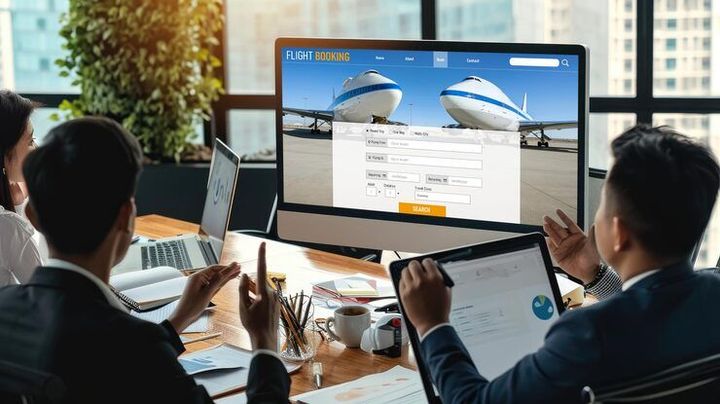
Corporate Travel Experience Platforms: Guide to Modern Business Travel Solutions
Corporate travel experience platforms are digital systems designed to organize and manage business travel through a connected online environment. They can bring together travel planning, reservations, itineraries, traveler information, expense management, policy controls, and trip support.
Instead of using separate tools for flights, accommodation, ground transportation, approvals, and expense reporting, organizations can connect several travel activities through one platform. The exact features vary according to the provider, company size, travel program, and regional requirements.
How Corporate Travel Platforms Work
A typical corporate travel experience platform connects travelers, travel managers, finance teams, and company policies. Employees can search for eligible travel options, submit requests, receive approvals, and access trip information.
Behind the interface, the platform may connect with airline, hotel, rail, ground transportation, payment, expense, identity, and enterprise software systems. Data from these sources can then be organized into a centralized travel workflow.
Common Platform Components
| Component | Main Function | Typical Users |
|---|---|---|
| Travel Search | Finds flights, hotels, rail, and other options | Employees |
| Booking | Records approved reservations | Travelers, travel teams |
| Approval Workflow | Routes trips through company policies | Managers |
| Itinerary Management | Keeps trip details together | Travelers |
| Expense Integration | Connects travel spending with expense records | Finance teams |
| Reporting | Provides travel activity information | Travel managers |
| Traveler Support | Helps manage changes and disruptions | Travelers |
| Risk Information | Provides location and journey information | Travel managers |
Importance
Simplifying Business Travel Planning
Business trips can involve multiple reservations, approvals, schedules, and documents. A corporate travel experience platform can place these activities within a connected workflow, reducing the need to switch repeatedly between unrelated systems.
For example, an employee attending a conference in another country may need a flight, hotel, airport transfer, and approval from a manager. A connected platform can organize these steps around the same trip record.
Supporting Travel Policy Management
Companies often establish rules covering travel classes, hotel categories, booking procedures, approval levels, and permitted expenses. Platforms can apply these rules during the travel planning process.
Policy-based workflows can help employees understand which options meet company requirements before a reservation is finalized.
Improving Traveler Visibility
A centralized itinerary can make important trip information easier to access. Flight details, hotel information, confirmation numbers, meeting locations, and transportation arrangements can be displayed in one location.
Mobile access is particularly useful when travelers are moving between airports, hotels, offices, and meeting venues.
Connecting Travel and Finance
Corporate travel is closely connected with financial administration. Travel platforms may integrate with expense-management and corporate-payment systems to connect reservations with transaction records.
This can reduce manual data entry and provide finance teams with more consistent information for reconciliation and reporting.
Supporting International Travel
Global organizations may have employees traveling across different countries and time zones. Platforms can support multiple currencies, languages, payment methods, regional travel rules, and local transportation options.
However, international capabilities differ between platforms, so organizations need to evaluate geographic coverage carefully.
Recent Updates
Greater Use of Artificial Intelligence
Artificial intelligence is increasingly being incorporated into corporate travel technology. Modern platforms may use AI for itinerary organization, conversational search, recommendations, disruption notifications, document processing, and travel-policy interpretation.
The role of AI varies considerably. Some systems use it mainly for search and assistance, while others integrate AI into several stages of the travel workflow.
More Connected Travel Data
Travel technology is moving toward greater integration between booking, expense, payment, traveler-profile, and enterprise systems. Application programming interfaces, commonly called APIs, allow different software systems to exchange information.
This can help create a more continuous travel experience from trip request through expense reporting.
Mobile-First Travel Management
Smartphones have become an important part of business travel management. Modern platforms commonly provide mobile access to itineraries, reservation details, alerts, approval requests, and travel-related communications.
Mobile functionality is particularly relevant when plans change during a journey.
Greater Attention to Travel Risk
Corporate travel programs increasingly incorporate information related to disruptions, emergencies, geopolitical events, weather conditions, and other travel risks.
Platforms can support communication with travelers and help organizations understand where employees are traveling. The availability and accuracy of risk information depend on the platform and its data sources.
Sustainability Data
Some corporate travel platforms now include information related to emissions and environmental impact. Organizations can use this information when establishing internal travel policies or monitoring corporate travel patterns.
Common areas include flight emissions estimates, rail alternatives, accommodation information, and organizational travel reporting.
Laws or Policies
Data Protection
Corporate travel platforms process personal information such as names, contact details, passport information, travel dates, payment information, and itinerary records. Organizations therefore need to consider applicable privacy and data-protection requirements.
Depending on the location and people involved, regulations may include the European Union's General Data Protection Regulation (GDPR), the California Consumer Privacy Act (CCPA), and other national or regional privacy frameworks.
Payment and Financial Controls
Corporate travel systems may connect with payment cards, virtual cards, invoices, and expense records. Organizations should establish appropriate financial controls around authorization, transaction records, access permissions, and reconciliation.
Specific obligations depend on the country, payment structure, and accounting framework.
Travel Documents and Immigration
Travel platforms can display information about passports, visas, entry requirements, and other travel documentation. However, travelers should verify official immigration and border requirements with the relevant government authorities because requirements can change.
Corporate Travel Policies
A company's internal travel policy is different from government law. It may define permitted travel classes, approval requirements, accommodation limits, expense categories, and booking procedures.
Platforms can encode these internal rules into digital workflows, but the organization remains responsible for keeping its policy accurate and current.
Tools and Resources
Online Booking Interfaces
Online booking interfaces allow employees to search and reserve approved travel options. Depending on the platform, these may include air travel, hotels, rail transportation, car rental, and other mobility options.
A useful interface should provide clear schedules, policy information, cancellation conditions, and reservation details.
Travel Management Systems
Travel management systems provide broader administrative functionality around corporate trips. They can connect booking activity with traveler profiles, approvals, reporting, policy rules, and organizational records.
Expense Management Integration
Expense integration connects travel activity with financial workflows. When reservations and transactions are linked, employees may spend less time entering repetitive information into separate systems.
Corporate Payment Tools
Virtual cards and corporate payment systems can provide organizations with additional controls over business travel transactions. These systems may support transaction-level records and reconciliation with expense platforms.
Travel Risk Dashboards
Travel risk dashboards can provide information about employees traveling to particular locations. Depending on the system, they may include alerts related to weather, transportation interruptions, security events, or other disruptions.
Reporting and Analytics
Analytics tools can help organizations examine travel activity across departments, locations, destinations, and periods. Common measurements include trip volume, booking patterns, policy compliance, and travel expenditure.
| Tool Area | Useful Information |
|---|---|
| Booking | Reservation activity |
| Expense | Transaction records |
| Analytics | Travel patterns |
| Risk Dashboard | Traveler location information |
| Mobile App | Real-time trip access |
| Integration Tools | Data exchange between systems |
FAQs
What Are Corporate Travel Experience Platforms?
Corporate travel experience platforms are digital systems that connect business travel activities such as planning, booking, approvals, itinerary management, expenses, reporting, and traveler support.
How Do Corporate Travel Platforms Help Employees?
They can give employees a centralized place to search for eligible travel options, manage reservations, access itineraries, receive updates, and follow company travel policies.
Can Corporate Travel Experience Platforms Manage International Trips?
Many platforms support international travel, but geographic coverage varies. Organizations should check support for currencies, languages, regional transportation, travel documentation, and local regulations.
Can These Platforms Connect With Expense Systems?
Yes. Many corporate travel platforms provide integrations with expense-management, accounting, payment, human-resource, and enterprise systems.
What Should Organizations Examine When Selecting a Platform?
Organizations can examine booking coverage, policy controls, integrations, mobile functionality, reporting, traveler support, privacy controls, international coverage, and data-management capabilities.
Conclusion
Corporate travel experience platforms bring multiple business-travel activities into connected digital workflows. They can link planning, reservations, approvals, itineraries, expenses, reporting, and traveler information within a centralized environment.
Recent developments include AI-assisted travel workflows, mobile-first interfaces, stronger software integrations, travel-risk information, and sustainability reporting. These capabilities are becoming increasingly relevant as organizations manage distributed teams and international business travel.
Platform selection should consider the organization's travel patterns, geographic requirements, internal policies, technology environment, data-protection obligations, and financial workflows. A structured evaluation can help organizations understand which capabilities align with their existing business-travel processes.