Concrete Mixers: Discover Concrete Processing Technology and Construction Applications
Concrete mixers are machines designed to combine cement, aggregates, water, and other approved materials into a consistent concrete mixture. They are used across building construction, roads, bridges, foundations, and infrastructure projects. Modern concrete mixers incorporate improved drum designs, hydraulic systems, electronic controls, automated monitoring, and material-management technologies for controlled concrete processing.
Concrete Mixers: Discover Concrete Processing Technology and Construction Applications
Context
Concrete mixers are machines designed to combine cement, aggregates, water, and other approved concrete ingredients into a consistent mixture. They are widely used in building construction, road projects, bridges, foundations, industrial structures, and infrastructure development.
Concrete mixing is an important stage between material preparation and concrete placement. The mixer brings the different ingredients together through controlled movement so that the mixture can reach the required consistency for its intended application.
Concrete mixers are available in several configurations. Some are stationary machines installed at a concrete production facility, while others are mobile systems designed to transport and mix concrete closer to the placement area.
Common concrete mixer components include:
Mixing drum or chamber
Mixing blades or paddles
Drive motor or engine
Gearbox and transmission system
Hydraulic or mechanical drive system
Water and material-control systems
Loading and discharge mechanisms
Operator controls
Monitoring equipment
The mixing process generally begins with the introduction of selected materials into the mixing chamber. The rotating drum, blades, or paddles then move the materials together until the mixture reaches the required condition.
Types of Concrete Mixers
Drum mixers are among the most widely recognized types. They use a rotating drum with internal blades that lift and tumble the concrete ingredients.
Batch mixers process a defined quantity of material during each mixing cycle. After one batch is completed, the mixture is discharged and another batch can be prepared.
Continuous mixers are designed to introduce materials continuously and produce concrete without relying on individual batch cycles. They can be useful for particular construction and infrastructure applications.
Pan mixers use a pan-shaped mixing chamber and rotating mixing equipment. They are used for different concrete and mortar applications where controlled mixing is required.
Twin-shaft mixers use two horizontal shafts fitted with mixing tools. Their design allows intensive movement of materials within the mixing chamber and is used in various concrete production environments.
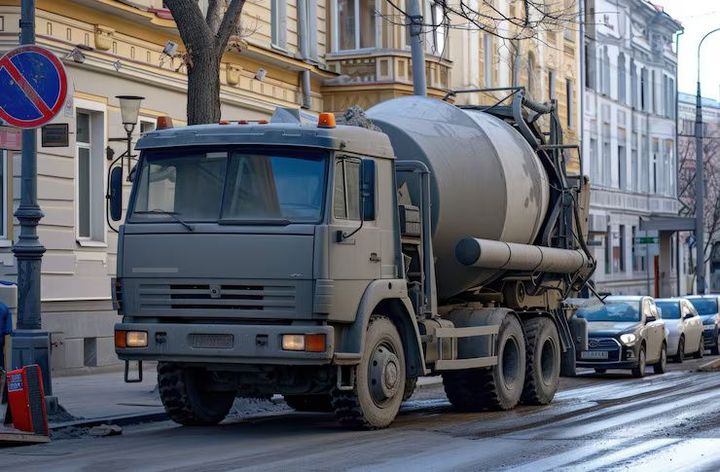
Truck mixers combine a rotating mixing drum with a road-going vehicle. They can transport concrete from a production location to a construction site while keeping the mixture moving during transportation.
Main Components
The mixing drum or chamber provides the space where materials are combined. Internal blades, paddles, or other mixing tools move the ingredients through the chamber.
The drive system provides the rotational or mechanical force required for mixing. Depending on the machine, the drive can use electric motors, engines, hydraulic systems, gearboxes, or combinations of these technologies.
Water-control systems help regulate the introduction of water into the mixture. Accurate material handling is important because the proportions of ingredients influence the resulting concrete characteristics.
The discharge system controls how the mixed concrete leaves the machine. Depending on the design, discharge can occur through a chute, gate, conveyor, or other mechanism.
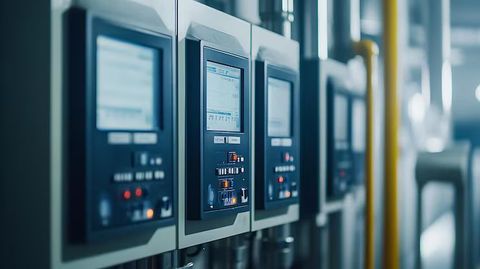
Electronic control systems may monitor operating parameters and provide information to the operator.
Importance
Concrete mixers are important because concrete production requires consistent combination of multiple ingredients. Controlled mixing helps create a uniform material that can be transported and placed according to project requirements.
Consistent Mixing
The mixing process distributes cement, aggregates, water, and other ingredients throughout the mixture. Mixing time, rotation speed, material sequence, and mixer design can influence uniformity.
Different concrete formulations may require different mixing procedures. The appropriate process is generally established according to project specifications and applicable technical requirements.
Construction Applications
Concrete mixers are used across residential, commercial, industrial, and infrastructure construction. They support the preparation of concrete for foundations, columns, slabs, walls, pavements, bridges, and other structures.
The type of mixer selected depends on project scale, production requirements, site conditions, transportation distance, and placement arrangements.
Road and Infrastructure Projects
Large infrastructure projects can require substantial quantities of concrete. Mixing systems can support road construction, bridge structures, tunnels, drainage systems, airport infrastructure, and other civil-engineering applications.
Large production facilities may integrate mixers with aggregate storage, cement silos, conveyors, weighing systems, and automated batching equipment.
Material Proportioning
Concrete quality depends on the correct proportioning of ingredients. Modern plants may use weighing and measurement systems to control the quantities of aggregates, cement, water, and approved additives.
Automated batching systems can coordinate material delivery before the mixing stage. This creates a more controlled relationship between material measurement and mixer operation.
Site Flexibility
Mobile and truck-mounted mixers provide flexibility where concrete needs to be prepared or transported closer to the placement location.
This can be useful on large sites where the distance between material preparation and concrete placement changes during different construction stages.
Recent Updates
Concrete mixer technology continues to develop through automation, digital controls, improved material measurement, monitoring systems, connectivity, and energy-management technologies.
Automated Batching and Mixing
Modern concrete plants can integrate mixers with automated batching systems. Electronic controls can coordinate the measurement and introduction of different ingredients according to programmed mix requirements.
Automation can reduce unnecessary manual adjustments and provide more consistent control over repeated mixing cycles.
Digital Monitoring
Sensors and electronic control systems can monitor mixer operation and selected process parameters. Depending on the equipment, information may include mixing time, drum speed, motor load, material quantities, water addition, and system alerts.
Digital displays can provide operators with operating information and notifications when selected conditions require attention.
Moisture Monitoring
Aggregate moisture can affect the amount of water required in a concrete mixture. Some modern systems use moisture sensors to provide information about aggregate conditions.
This information can be incorporated into automated material-management systems where supported by the plant configuration.
Connected Equipment
Connected concrete production equipment can transmit selected operating and production information to authorized monitoring platforms.
Connectivity can help technical teams review equipment status, production records, operating hours, and selected process information across multiple machines or facilities.
Improved Mixer Designs
Mixer manufacturers continue to develop drum shapes, blade arrangements, drive systems, and wear-resistant components for different concrete-processing environments.
The appropriate mixer configuration depends on concrete formulation, aggregate characteristics, production scale, and required mixing process.
Electric Drive Systems
Electric motors are widely used in stationary concrete production equipment. Electric drive systems can provide controlled operation and can be integrated with automated plant-control systems.
For mobile equipment, powertrain configurations vary according to vehicle design and operating requirements. Alternative-power technologies are also being examined across the broader construction-equipment sector.
Laws or Policies
Concrete mixing operations may be subject to workplace safety, environmental, construction, electrical, and material-quality requirements. Specific requirements vary according to country, project type, equipment configuration, and operating location.
Workplace Safety
Concrete mixers contain rotating and moving components that can create mechanical hazards. Guarding, emergency-stop systems, access controls, and appropriate isolation procedures are important considerations.
Operators and maintenance personnel should follow equipment documentation and site-specific safety procedures.
Material Handling
Cement, aggregates, water, and chemical additives may require appropriate storage and handling procedures. Dust management can be important around cement and dry-material handling areas.
Storage systems, conveyors, hoppers, and loading areas should be maintained according to applicable safety and environmental requirements.
Electrical Safety
Concrete batching plants and stationary mixers can contain motors, control panels, sensors, and other electrical equipment. Electrical installations should be designed, inspected, and maintained according to applicable regulations.
Environmental Requirements
Concrete production may involve dust, wastewater, noise, material residues, and other environmental considerations.
Facilities may use dust-control equipment, enclosed material-handling areas, water-management systems, and procedures for handling concrete residues according to local requirements.
Construction Standards
Concrete production and placement can be governed by project specifications, engineering requirements, and national or international standards. The applicable standard depends on the project location and the intended structural application.
Tools and Resources
Concrete mixers rely on mechanical equipment, material-measurement systems, control technologies, and maintenance resources.
| Tool or Resource | Main Function |
|---|---|
| Mixing drum | Contains and mixes concrete ingredients |
| Mixing blades | Move and distribute materials |
| Weighing system | Measures material quantities |
| Water-control system | Regulates water addition |
| Conveyor or feeder | Transfers aggregates and materials |
| Control panel | Coordinates mixer functions |
| Moisture sensors | Monitor aggregate moisture |
| Diagnostic system | Monitors equipment conditions |
Weighing systems are important in automated batching plants because accurate measurement supports controlled material proportioning.
Moisture sensors can provide information about aggregate conditions. Their readings may be used to adjust water management where the plant-control system supports this function.
Mixing blades, paddles, liners, and internal surfaces can experience wear from repeated contact with aggregates. Regular inspection helps identify deterioration that could affect mixing performance.
Drive systems require attention to motors, gearboxes, bearings, couplings, and other mechanical components. Maintenance should follow the equipment manufacturer's recommended procedures.
Water systems should be checked for flow-control issues, blocked lines, leaks, and measurement problems. Proper operation of these systems contributes to consistent material handling.
Digital control systems can store production information and provide operating alerts. Technical documentation, maintenance records, inspection checklists, mix specifications, and operating procedures are valuable resources for managing concrete mixer operations.
FAQs
What are Concrete Mixers used for?
Concrete Mixers are used to combine cement, aggregates, water, and other approved ingredients into a consistent concrete mixture. They are used in building construction, roads, bridges, foundations, industrial structures, and infrastructure projects.
How do Concrete Mixers work?
Concrete Mixers combine ingredients inside a rotating drum, pan, or mixing chamber. Internal blades or paddles move the materials together until the mixture reaches the required condition for its intended application.
What are the main types of Concrete Mixers?
Common types include drum mixers, batch mixers, continuous mixers, pan mixers, twin-shaft mixers, and truck mixers. Their configurations differ according to production method, capacity, mobility, and application.
What features are important in Concrete Mixers?
Important features include mixing chamber design, blade configuration, drive system, material measurement, water control, discharge arrangement, operator controls, monitoring equipment, and compatibility with the required concrete production process.
How is technology changing Concrete Mixers?
Modern Concrete Mixers increasingly use automated batching, digital controls, moisture monitoring, connected equipment, improved mixing systems, electronic diagnostics, and advanced material-management technologies. These developments can support more controlled and consistent concrete production.
Conclusion
Concrete mixers are important machines for combining construction materials into a controlled concrete mixture. Their different configurations allow them to support small construction activities as well as large infrastructure and industrial projects. Recent developments in automated batching, digital monitoring, moisture sensing, connectivity, and improved mixer designs are expanding the capabilities of modern concrete-processing systems. Appropriate equipment configuration, accurate material measurement, regular inspection, safe operation, and compliance with applicable requirements remain important for dependable concrete production.