Beverage Filling Machines: Explore Types, Components, and Industrial Applications
Beverage Filling Machines are industrial machines designed to place a measured quantity of liquid into containers such as bottles, cans, cartons, pouches, and cups. They are used across beverage production facilities to handle products ranging from drinking water and carbonated drinks to juices, dairy beverages, energy drinks, sauces, and other liquid products.
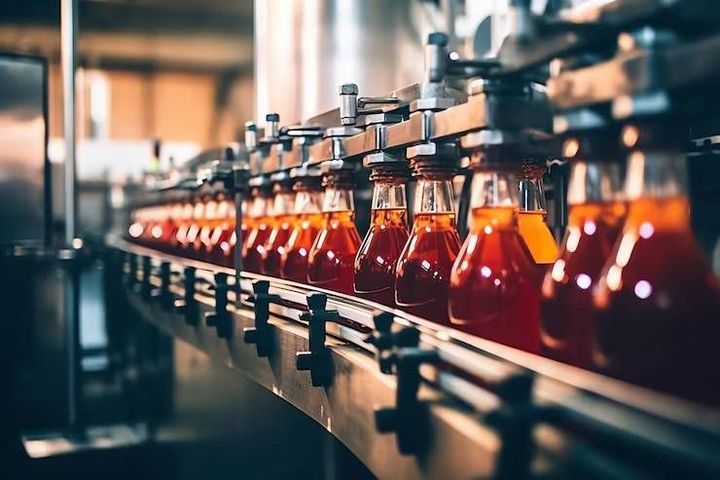
The basic process involves moving empty containers into the filling area, positioning them correctly, introducing the beverage through filling valves or nozzles, and transferring the filled containers to the next stage. Depending on the product and packaging format, filling may be performed at room temperature, under pressure, at elevated temperature, or under controlled hygienic conditions.
Modern Beverage Filling Machines can be integrated with rinsing, filling, capping, sealing, labeling, inspection, and conveyor systems. A complete production line may therefore contain several connected machines rather than one standalone unit.
How Beverage Filling Machines Work
A typical filling line follows a sequence of controlled steps.
Container feeding: Empty bottles, cans, cartons, or other packages enter the production line.
Container positioning: Guides, star wheels, conveyors, or other mechanisms move containers into the correct position.
Rinsing or cleaning: Selected systems clean containers before filling.
Filling: A controlled quantity of beverage enters each container.
Level or volume control: Sensors, timing systems, flow meters, or other mechanisms help maintain consistent filling.
Closing: Caps, lids, seals, or other closures are applied.
Inspection: Cameras, sensors, or other systems can check fill level, closure position, labels, or container condition.
Conveying: Filled containers move toward labeling, packaging, storage, or distribution stages.
The exact sequence varies according to the beverage, container material, production volume, filling method, and hygiene requirements.
Main Types of Beverage Filling Machines
Gravity filling machines use the natural flow of liquid into containers. They are commonly associated with products that flow relatively easily and do not require pressure-assisted filling.
Pressure filling machines use controlled pressure to move beverages into containers. They are particularly relevant to carbonated beverages because pressure differences need to be controlled during filling.
Volumetric filling machines dispense a predetermined volume of liquid into each container. They can use pistons, flow meters, or other measurement mechanisms.
Level filling machines are designed to achieve a consistent visible liquid level inside containers. This approach can be useful when appearance and uniform fill height are important.
Hot filling machines handle beverages that are filled at elevated temperatures according to a validated production process. The process can be used for selected juices and other beverages where thermal treatment and packaging conditions are appropriate.
Aseptic filling machines operate under controlled conditions intended to maintain commercial sterility of the product and packaging system. Such systems require carefully controlled processing, equipment sterilization, packaging conditions, and documented procedures.
Counter-pressure filling machines are commonly associated with carbonated beverages. The container and filling system are brought into controlled pressure conditions before the beverage enters the package.
Importance
Consistent Filling
One major function of Beverage Filling Machines is maintaining a controlled quantity of liquid in each container. Consistency can be achieved through flow meters, piston systems, pressure controls, timing mechanisms, or level-based filling methods.
Accurate filling is particularly important when beverages are packaged in large production runs where thousands of containers may pass through a line.
Hygienic Production
Beverages can be sensitive to contamination from microorganisms, foreign material, equipment surfaces, and the surrounding environment. Filling equipment therefore needs appropriate hygienic design and cleaning procedures.
The required approach depends on the beverage and filling process. A conventional beverage line and an aseptic line may have substantially different requirements.
High-Speed Production
Industrial filling equipment can coordinate container movement and liquid dispensing continuously or in repeated cycles. Automated systems can synchronize filling with conveyors, closures, inspection equipment, and downstream packaging.
Production speed depends on the machine design, container format, beverage characteristics, filling technology, and overall line configuration.
Handling Different Beverages
Different beverages have different physical characteristics. Water flows differently from syrup, juice with pulp, carbonated beverages, dairy drinks, or beverages containing suspended particles.
The filling method therefore needs to match factors such as viscosity, carbonation, temperature, foaming tendency, particulate content, and required hygiene conditions.
Main Machine Categories
| Machine Type | Main Filling Principle | Common Applications |
|---|---|---|
| Gravity filler | Liquid flows through controlled valves | Water and selected liquids |
| Pressure filler | Controlled pressure assists filling | Carbonated beverages |
| Volumetric filler | Measured quantity is dispensed | Juices and liquid products |
| Level filler | Consistent visible level is maintained | Bottled beverages |
| Hot filler | Product is filled under elevated-temperature conditions | Selected juices and beverages |
| Aseptic filler | Controlled sterile conditions | Shelf-stable beverages |
| Counter-pressure filler | Container and product pressure are controlled | Carbonated drinks |
Recent Updates
Greater Automation
Modern beverage production increasingly combines filling equipment with automated conveyors, sensors, programmable controllers, machine vision, and integrated line controls.
Automation can coordinate several stages of production and provide operators with information about machine conditions, container movement, filling parameters, and detected faults.
Digital Monitoring
Sensors and industrial control systems can collect information from pumps, valves, motors, filling heads, conveyors, and other components.
Production teams can use this information to identify unusual operating patterns, monitor equipment conditions, and examine production data. Digital monitoring is also becoming increasingly connected with predictive maintenance and plant-level data systems.
Flexible Container Formats
Beverage producers may handle multiple container shapes and sizes. Modern filling systems can therefore be configured around different bottle, can, carton, cup, or pouch formats depending on the equipment design.
Changeover mechanisms are becoming an important part of flexible production because a line may need to move between different container formats during production schedules.
Improved Hygienic Design
Hygiene remains a major area of development in beverage equipment. Filling systems increasingly emphasize controlled product paths, cleanable surfaces, appropriate materials, automated cleaning procedures, and designs that reduce locations where product residues can accumulate.
For aseptic systems, the requirements are more extensive because the product, filling equipment, and packaging materials may all need controlled sterilization and monitored critical conditions. FDA guidance describes the need to control and document critical factors for aseptic food processing and packaging systems.
Machine Vision and Inspection
Cameras and image-processing systems can inspect containers as they move through the production line. Depending on the setup, vision systems may identify incorrect fill levels, missing closures, damaged containers, label problems, or other visible conditions.
Automated inspection can operate alongside human quality checks and process controls.
Energy and Resource Management
Manufacturers are also examining ways to reduce water, compressed air, heating energy, and material consumption during beverage production.
Efficient rinsing systems, controlled cleaning cycles, improved motors, optimized heating, and digital monitoring can contribute to more controlled resource use.
Laws or Policies
Food Safety Requirements Differ by Country
Beverage filling operations are subject to food-safety, packaging, labeling, hygiene, and machinery requirements that vary by country and product category.
There is no single worldwide regulation covering every Beverage Filling Machine. Producers and equipment integrators generally need to consider the rules applicable to the destination market, beverage type, packaging material, and manufacturing process.
United States
In the United States, the FDA provides food-safety requirements and regulatory resources relevant to food and beverage operations. The FDA's 2026 Food Code is the latest complete edition and provides a model for retail and food-service food-safety regulation rather than being a universal manufacturing code for all beverage factories.
For certain aseptic food-processing applications, FDA guidance addresses sterilization, filling systems, packaging equipment, monitoring, scheduled processes, and process deviations.
European Union
Machinery placed on the European Union market is subject to machinery legislation. Regulation (EU) 2023/1230 establishes health and safety requirements for machinery and related products.
The regulation is scheduled to apply from 20 January 2027, with certain provisions applying earlier. The current consolidated legislation has also been amended in 2026.
For Beverage Filling Machines, manufacturers and integrators may need to consider machinery safety, conformity assessment, technical documentation, and applicable harmonized standards.
Food-Contact Materials
Parts of a filling system that come into contact with beverages must be appropriate for the intended application. Food-contact requirements can concern materials, chemical migration, temperature, beverage composition, and conditions of use.
For example, FDA's food-contact reference tables distinguish beverage categories and conditions such as hot filling, pasteurization, room-temperature filling, and refrigerated storage.
Global Compliance
International beverage producers may need to consider several regulatory areas:
Food safety
Food-contact materials
Machinery safety
Packaging requirements
Hygiene and sanitation
Product labeling
Environmental requirements
Electrical safety
Workplace safety
The applicable framework depends on the country, product, facility, and equipment configuration.
Tools and Resources
Flow Meters
Flow meters measure liquid movement through the filling system. They can help control the quantity of beverage entering each container.
Different meter technologies are suited to different liquids and process conditions.
Programmable Controllers
Programmable logic controllers coordinate machine movements, valves, sensors, pumps, conveyors, and other components.
They allow production sequences to be programmed and monitored through industrial control interfaces.
Sensors
Sensors can monitor pressure, temperature, container position, liquid level, flow, and other process variables.
These measurements help the control system respond to changes during production.
Machine Vision
Machine vision systems use cameras and software to inspect containers, closures, labels, and other visible characteristics.
They can be positioned at different points in a production line depending on the inspection requirement.
Cleaning Systems
Automated cleaning systems can circulate cleaning liquids through appropriate sections of beverage-processing equipment. Cleaning procedures depend on the beverage, equipment design, materials, contamination risks, and validated plant procedures.
Digital Monitoring Platforms
Production-monitoring platforms can collect information from filling machines, conveyors, pumps, sensors, and other equipment. Data may be used for production analysis, equipment monitoring, and process documentation.
FAQs
What are Beverage Filling Machines?
Beverage Filling Machines are industrial systems that place controlled quantities of liquid into bottles, cans, cartons, pouches, cups, or other containers.
What are the main types of Beverage Filling Machines?
Common types include gravity, pressure, volumetric, level, hot filling, aseptic, and counter-pressure machines. The appropriate type depends on beverage characteristics and packaging requirements.
How do Beverage Filling Machines work?
Beverage Filling Machines position containers beneath filling valves or nozzles and introduce a controlled quantity of liquid. Sensors, pumps, valves, flow meters, and control systems can regulate the process.
Which Beverage Filling Machines are used for carbonated drinks?
Pressure and counter-pressure filling systems are commonly associated with carbonated beverages because controlled pressure helps manage dissolved gas and foaming during filling.
Why are Beverage Filling Machines important in beverage production?
They help control liquid quantity, container movement, production consistency, hygiene conditions, and integration with downstream packaging and inspection processes.
Conclusion
Beverage Filling Machines are important components of modern beverage production lines, handling products ranging from water and juices to carbonated and shelf-stable beverages. Their designs vary according to liquid characteristics, container formats, filling temperatures, hygiene requirements, and production conditions. Recent developments include greater automation, digital monitoring, machine vision, flexible changeovers, and more controlled hygienic processes. Because food and machinery requirements differ across markets, beverage producers need to consider the regulations and technical standards applicable to each country and product.