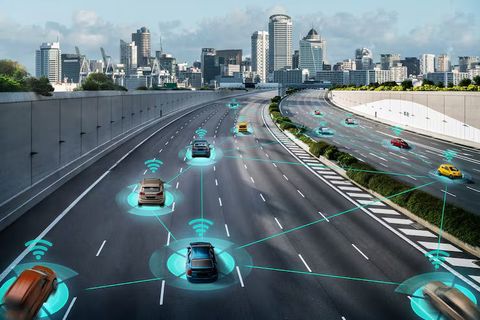
Smart City IoT Security: Insights Into Connected Infrastructure and Digital Protection
Smart City IoT Security focuses on protecting connected infrastructure, sensors, networks, and digital systems used in modern cities. As transportation, utilities, public facilities, and environmental monitoring become increasingly connected, security measures help reduce cyber risks and protect data. This topic covers common security practices, infrastructure considerations, recent developments, policies, and resources related to connected urban environments.
Smart City IoT Security: Insights Into Connected Infrastructure and Digital Protection
Smart City IoT Security refers to the practices and technologies used to protect connected devices, networks, data, and digital infrastructure within modern urban environments. Smart cities rely on Internet of Things (IoT) devices to collect information and support systems related to transportation, energy, water, lighting, environmental monitoring, public facilities, and other urban functions.
The large number of connected devices creates a broad digital environment. Sensors, gateways, communication networks, cloud platforms, control systems, and management applications may all interact with one another. Protecting these components requires security measures that consider devices, communications, software, users, and physical infrastructure together.
Context
A smart city can contain thousands or millions of connected endpoints. These may include traffic sensors, smart meters, connected lighting controllers, environmental sensors, parking systems, cameras, building-management devices, and industrial control components.
Many IoT devices have limited computing resources and may operate for long periods. Some devices can also be located in publicly accessible areas, making physical protection an important part of cybersecurity planning.
Main Elements of Smart City IoT
Smart City IoT Security commonly involves several connected layers:
| Layer | Examples | Security Focus |
|---|---|---|
| Devices | Sensors, meters, controllers | Device identity, secure configuration |
| Networks | Cellular, Wi-Fi, fiber, LPWAN | Encryption, segmentation, monitoring |
| Gateways | IoT gateways and edge systems | Access control, traffic filtering |
| Platforms | Cloud and edge platforms | Authentication, data protection |
| Applications | City management software | Secure development and access |
| Data | Sensor and operational data | Integrity, privacy, retention |
The devices collect information and transmit it through communication networks. Gateways or edge systems can process information closer to where it is generated, while centralized or cloud platforms can support broader analysis and management.
Because these components are interconnected, a weakness in one part of the environment can potentially affect other systems. Security planning therefore needs to consider the complete technology chain rather than treating each device as an isolated component.
Common Connected Infrastructure
Smart city infrastructure can cover a wide range of applications, including:
Intelligent transportation systems
Connected traffic signals
Smart street lighting
Water monitoring systems
Electricity and energy management
Environmental monitoring
Connected public buildings
Parking management
Waste-management systems
Emergency and public-safety infrastructure
The security requirements can vary significantly between these applications. A public lighting controller, for example, may have different operational requirements from a water-treatment control system.
Importance
Smart City IoT Security is important because connected urban infrastructure can influence essential services and large volumes of information. Security weaknesses can affect system availability, data integrity, privacy, and operational continuity.
Protecting Connected Devices
IoT devices should be configured with appropriate security controls before being connected to city networks. Device identity, authentication, software integrity, secure configuration, and controlled access can help reduce exposure.
Organizations can maintain inventories of connected devices so that administrators know what equipment exists, where it operates, what software it uses, and how it connects to other systems.
Protecting Communications
Data moving between sensors, gateways, platforms, and applications needs appropriate protection. Encryption can help prevent unauthorized parties from reading or modifying information during transmission.
Network segmentation is another important consideration. Separating IoT environments from unrelated systems can limit the potential impact of a compromised device.
Protecting Data
Smart city systems can generate large volumes of operational and environmental information. Some systems may also process information that requires additional privacy protection.
Data governance can define:
What information is collected
Why it is collected
Where it is stored
Who can access it
How long it is retained
How it is protected
When it should be securely deleted
Maintaining Operational Continuity
Urban infrastructure often needs to remain available continuously. Security planning should therefore include monitoring, incident response, backup procedures, recovery processes, and contingency arrangements.
For critical infrastructure, cybersecurity and operational resilience are closely connected. A security incident may become an operational issue if connected systems stop functioning or provide unreliable information.
Managing Third-Party Technology
Smart city environments often involve equipment, software, communication platforms, cloud infrastructure, and specialized technology from multiple organizations. Security requirements should therefore extend across the technology supply chain.
Organizations can evaluate security capabilities, update practices, access controls, documentation, and incident-notification procedures when integrating external technologies.
Recent Updates
Smart City IoT Security continues to evolve as connected infrastructure becomes more distributed and automated. Recent developments from 2024 through 2026 have emphasized stronger device management, improved monitoring, secure connectivity, and greater attention to lifecycle security.
Greater Focus on Device Identity
Device identity is becoming an important foundation for connected environments. Instead of relying only on network location, security systems can use unique device identities and authentication mechanisms to determine whether a device should communicate with another system.
This approach can make large IoT environments easier to manage because administrators can associate security policies with specific devices and device groups.
Edge Computing and Security
Edge computing allows some processing to take place closer to sensors and connected equipment. This can reduce the need to send every piece of information to a central platform.
However, edge locations introduce additional computing environments that need protection. Security teams may need to manage authentication, software updates, physical access, monitoring, and communication controls across distributed locations.
Automated Monitoring
Modern security platforms increasingly use automated monitoring to identify unusual network activity, unexpected device behavior, and configuration changes.
Automation can support security teams by helping them identify events across large numbers of connected devices. Human review remains important for interpreting alerts and determining appropriate responses.
Secure Device Lifecycle Management
Security is increasingly being considered throughout the lifecycle of IoT equipment. This includes device selection, initial configuration, deployment, maintenance, software updates, replacement, and retirement.
Keeping outdated devices connected indefinitely can create management and security challenges. Lifecycle planning helps organizations determine when devices need updates, replacement, isolation, or retirement.
Zero Trust Approaches
Zero Trust principles can be applied to connected infrastructure by avoiding assumptions that a device or user is trustworthy simply because it is inside a particular network.
Authentication, authorization, segmentation, continuous monitoring, and least-privilege access can help create more controlled communication environments.
Security by Design
Security by design places cybersecurity considerations into the development and deployment process rather than treating them as an additional layer after implementation.
For smart city projects, this can involve secure configuration, identity management, software security, encryption, update mechanisms, logging, and incident response planning from the beginning.
Laws or Policies
Smart City IoT Security can involve several types of legal, regulatory, and organizational requirements. The exact requirements depend on the country, city, sector, type of information, and infrastructure involved.
Privacy laws may apply when connected systems collect or process personal information. Critical-infrastructure requirements may also apply to systems supporting important public functions.
Common Policy Areas
Organizations developing smart city systems may need policies covering:
Data protection and privacy
Cybersecurity risk management
Access control
Device management
Network security
Software updates
Incident response
Data retention
Third-party risk
Physical security
Business continuity
Security frameworks and standards can also provide structured approaches for managing IoT environments. Organizations should distinguish between legal obligations, regulatory requirements, contractual requirements, and voluntary technical frameworks.
Procurement Policies
Security requirements can be incorporated into procurement and technology-selection processes. Requirements may address authentication, encryption, vulnerability management, update support, logging, documentation, and secure retirement.
This can reduce the possibility of introducing devices that cannot be adequately maintained or monitored after deployment.
Tools and Resources
A range of tools can support Smart City IoT Security programs. The appropriate combination depends on infrastructure size, device types, network architecture, and operational requirements.
Device Discovery and Inventory
Device inventory platforms help organizations identify connected assets and maintain information about them. Useful inventory information can include device type, location, software version, network connection, owner, and operational status.
Network Monitoring
Network monitoring tools can observe communications between IoT devices, gateways, applications, and external systems. Security teams can use this information to identify unusual traffic patterns and investigate potential incidents.
Vulnerability Management
Vulnerability management processes help identify weaknesses in connected systems. Regular assessment can help organizations prioritize updates, configuration changes, segmentation, or replacement where appropriate.
Identity and Access Management
Identity and access management controls determine which users, applications, and devices can access particular systems. Strong authentication and least-privilege permissions can reduce unnecessary access.
Security Information and Event Management
Security information and event management platforms can collect logs and security events from multiple systems. Centralized visibility can help security teams investigate activity across complex smart city environments.
Technical Documentation
Documentation is also an important security resource. Network diagrams, device inventories, configuration records, update procedures, incident-response plans, and data-flow documentation can support ongoing security management.
FAQs
What is Smart City IoT Security?
Smart City IoT Security is the practice of protecting connected devices, networks, applications, data, and infrastructure used in smart city environments.
Why is Smart City IoT Security important?
Smart City IoT Security helps protect connected urban infrastructure from unauthorized access, data manipulation, service disruption, and other cybersecurity risks.
What devices require Smart City IoT Security?
Connected traffic systems, smart meters, environmental sensors, lighting controllers, building systems, parking equipment, and other network-connected urban devices may require security controls.
What are common Smart City IoT Security measures?
Common measures include device authentication, encryption, network segmentation, access management, vulnerability monitoring, secure updates, logging, incident response, and lifecycle management.
How does IoT security support connected infrastructure?
IoT security helps control communication between devices and systems while protecting data and supporting the availability and integrity of connected urban operations.
Conclusion
Smart City IoT Security is an important part of managing connected urban infrastructure. As cities integrate more sensors, communication networks, edge systems, cloud platforms, and automated applications, security needs to cover the entire technology lifecycle.
Device identity, network protection, data governance, monitoring, access control, secure updates, and incident response can form important parts of a connected infrastructure security program. Effective planning also considers privacy, physical protection, third-party technology, and long-term device management.
The continuing development of IoT, edge computing, automation, and connected public infrastructure makes security a continuing operational responsibility rather than a one-time implementation task.