Romantic Gothic Fashion: Learn the Basics, Trends, and Key Resources
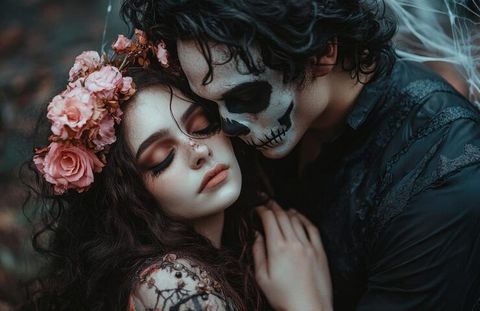
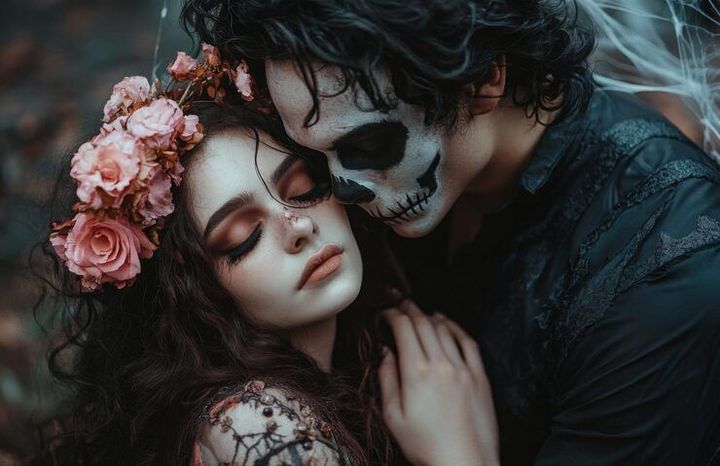
Romantic Gothic Fashion combines the darker visual language of Gothic clothing with softer, historical, and romantic elements. Common features include black or deep-colored fabrics, lace, velvet, flowing skirts, corset-inspired details, ruffles, high collars, long sleeves, and dramatic silhouettes.
Unlike a single fixed dress code, Romantic Gothic Fashion is a broad aesthetic. One outfit may look strongly Victorian, while another may combine Gothic details with contemporary tailoring, casual clothing, or modern accessories.
The style draws from several historical and cultural influences. Victorian and Edwardian clothing, Gothic literature, medieval imagery, punk, alternative music, theatrical costume, and contemporary runway fashion have all contributed to its development.
How the Style Developed
Gothic fashion became associated with modern youth and music subcultures during the late 20th century. Black clothing, dramatic makeup, leather, unusual accessories, and theatrical silhouettes became recognizable elements of Gothic style.
The romantic branch developed through a stronger focus on historical clothing and softer textures. Lace, velvet, flowing fabrics, antique-inspired jewelry, corsetry, floral patterns, and long silhouettes created a visual contrast between darkness and elegance.
Modern Romantic Gothic Fashion does not require a complete historical outfit. A person might wear a black lace blouse with tailored trousers, a velvet skirt with simple boots, or a contemporary black dress with an antique-style necklace.
Main Elements of Romantic Gothic Fashion
Color palette: Black is central, while burgundy, deep purple, charcoal, forest green, dark blue, cream, and muted red can create additional contrast.
Fabrics: Lace, velvet, chiffon, satin, mesh, cotton, wool, and textured synthetic fabrics are commonly used.
Silhouettes: Long skirts, fitted bodices, flowing sleeves, structured jackets, high collars, and layered dresses are frequent choices.
Details: Ruffles, ribbons, embroidery, corset-style panels, lace trims, bows, metal hardware, and floral motifs can add visual depth.
Accessories: Chokers, rings, brooches, cameos, hair ribbons, structured handbags, boots, and vintage-inspired jewelry can complete an outfit.
Makeup and hair: Darker eye makeup, defined lips, pale or natural complexion styling, braids, waves, and structured hairstyles can complement the clothing.
The important idea is balance. Romantic elements such as lace and flowing fabric can soften the darker Gothic palette, while structured clothing and darker accessories can prevent the outfit from appearing overly delicate.
Importance
Why Romantic Gothic Fashion Matters Today
Romantic Gothic Fashion has become part of a wider interest in historical references, alternative subcultures, theatrical styling, and expressive clothing. Fashion publications have documented renewed interest in Gothic influences during 2024–2026, including black clothing, Victorian references, lace, corsetry, and dramatic silhouettes.
The aesthetic also appears beyond dedicated Gothic communities. Elements associated with Gothic fashion can be seen in eveningwear, bridal clothing, street style, editorial photography, entertainment, and runway collections.
Where It Is Used
Romantic Gothic styling can be adapted for different settings:
Everyday clothing: A lace blouse, dark cardigan, straight-leg trousers, and ankle boots can create a restrained interpretation.
Eveningwear: Velvet dresses, flowing sleeves, dark satin, and decorative jewelry can create a more dramatic appearance.
Weddings: Gothic-inspired bridal clothing can incorporate lace, corsetry, antique-inspired details, dark accents, and historical silhouettes.
Festivals and events: More theatrical combinations can include layered skirts, statement accessories, dramatic sleeves, and elaborate makeup.
Editorial fashion: Photographers and stylists often use Romantic Gothic elements to create historical, cinematic, or mysterious visual themes.
Alternative communities: The style remains connected with wider Gothic, punk, metal, alternative music, and subcultural fashion communities.
Advantages and Limitations
One functional advantage of Romantic Gothic Fashion is its flexibility. Individual elements can be combined with contemporary clothing rather than requiring an entire wardrobe based on one aesthetic.
Layering is another useful feature. A lightweight lace top can be placed beneath a jacket, while a velvet coat can be combined with simpler clothing. This allows the same visual language to change according to weather, occasion, and personal preference.
There are also limitations. Heavy velvet and multiple layers can become uncomfortable in warm climates, while delicate lace and decorative fabrics may require careful handling. Highly theatrical silhouettes may also be less practical for workplaces or everyday activities.
Comparing Key Style Elements
| Element | Common Choices | Visual Effect | Practical Consideration |
|---|---|---|---|
| Lace | Black, cream, patterned lace | Delicate and historical | May require gentle care |
| Velvet | Black, burgundy, dark green | Rich and textured | Can feel warm |
| Corsetry | Structured bodices or panels | Defines the silhouette | Fit and comfort matter |
| Ruffles | Sleeves, collars, skirts | Adds movement | Can increase visual volume |
| Long skirts | Layered or flowing styles | Historical and dramatic | Length affects mobility |
| Jewelry | Cameos, chokers, rings | Adds character | Metal and weight affect comfort |
| Boots | Ankle, knee, or platform styles | Stronger Gothic influence | Footwear should suit activity |
| Outerwear | Long coats, capes, fitted jackets | Creates structure | Climate affects fabric selection |
Recent Updates
Romantic Gothic Trends in 2024–2025
Gothic references became increasingly visible in mainstream fashion discussions during 2024 and 2025. Vogue reported renewed interest in Gothic dressing in 2024, while its 2025 trend coverage connected Gothic revival with medieval references, lace, corsetry, waistcoats, ruffled shirts, and dramatic silhouettes.
This period also showed greater mixing between historical references and contemporary clothing. Instead of reproducing a historical costume, designers and stylists frequently adapted individual details into modern silhouettes.
Romantic Gothic Trends in 2026
During 2026, fashion coverage has continued to describe a stronger interest in Romantic Gothic aesthetics. Vogue Arabia reported renewed interest in romantic fashion using elements such as sheer fabrics, dark florals, trailing hems, and emotionally expressive styling.
Gothic-inspired bridal fashion has also received significant attention in 2026, with Victorian silhouettes, lace, corsetry, tulle, and dramatic gowns appearing in contemporary bridal discussions.
Recent runway coverage has also shown combinations of romantic fabrics with harder materials. H&M's Fall 2026 presentation, for example, combined romantic silhouettes and ruffled details with leather, denim, and other structured elements.
Digital Styling and Fashion Technology
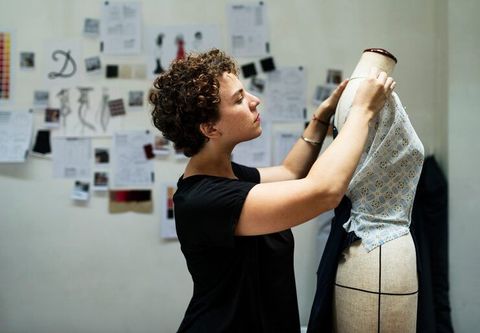
Digital fashion tools are changing how people research and plan outfits. Image-based search, virtual wardrobes, digital mood boards, AI-assisted styling applications, and online fashion archives can help users compare silhouettes, fabrics, colors, and historical references.
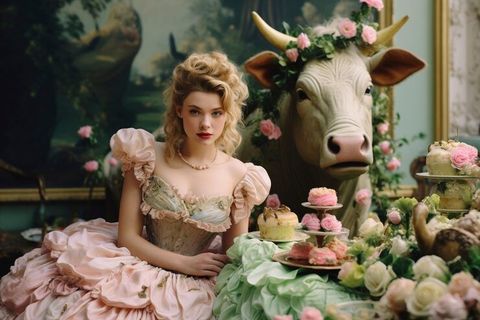
AI-generated fashion imagery is another developing area. It can create visual concepts quickly, but generated images may contain inaccurate garment construction, unrealistic materials, or historically incorrect details. Human judgment remains important when using digital tools for actual clothing design or historical research.
Sustainability and Wardrobe Longevity
Sustainability discussions are also influencing alternative fashion. Reusing existing garments, repairing clothing, selecting durable fabrics, altering older pieces, and combining vintage elements with contemporary clothing can reduce dependence on constantly changing wardrobes.
The wider fashion industry is also exploring deadstock materials, smaller production runs, adaptable garments, and longer-use clothing concepts. These developments can be relevant to Romantic Gothic styling because the aesthetic already draws heavily from vintage references, layering, and individual customization.
Laws or Policies
Clothing Safety and Consumer Regulations
Romantic Gothic Fashion is primarily a cultural and design topic, so there is no single international law governing the aesthetic. However, clothing sold or manufactured in different countries can be subject to rules covering textile labeling, product safety, chemical substances, flammability, and consumer information.
Requirements vary by jurisdiction. A garment intended for one market may therefore need different labeling or testing information when distributed in another region.
European Union Requirements
The European Union has regulations concerning textile fiber names and related labeling requirements. EU rules are intended to help consumers understand the fiber composition of textile products.
The EU's REACH framework also regulates chemical substances and can affect textiles and accessories when restricted substances are present. Manufacturers and importers may need to consider applicable chemical requirements depending on the product and materials used.
United States and Other Markets
In the United States, textile and apparel products can be subject to Federal Trade Commission requirements covering fiber content, country of origin, and manufacturer or responsible-company identification.
Other countries maintain their own textile labeling and product safety frameworks. Designers and businesses working internationally therefore need to check the specific rules of each destination market rather than assuming that one country's requirements apply globally.
Tools and Resources
Digital Mood Boards
Mood-board applications can help organize references for Romantic Gothic outfits. Users can collect examples of fabrics, silhouettes, historical garments, accessories, makeup, hairstyles, and color palettes in one visual workspace.
A useful mood board can separate inspiration into categories such as Victorian, Gothic, medieval, modern, bridal, casual, or eveningwear. This makes it easier to identify which elements belong together.
Fashion Archive Databases
Museum collections and fashion archives provide historical references for garments, textiles, accessories, and construction techniques. These resources can help distinguish genuine historical details from modern interpretations.
Digital museum collections can also provide photographs and descriptions of historical clothing without requiring physical access to the collection.
Color and Fabric Tools
Digital color palettes can help coordinate black with burgundy, charcoal, cream, deep green, dark blue, or muted metallic shades. Fabric reference tools can help users compare properties such as weight, texture, transparency, stretch, and drape.
These characteristics matter because two garments with similar colors can produce very different results when one uses structured fabric and the other uses lightweight material.
Virtual Wardrobe and Styling Tools
Virtual wardrobe platforms can organize clothing digitally and help users test combinations before assembling an outfit. Some tools use image recognition or AI to identify garments and suggest combinations.
For Romantic Gothic Fashion, these tools can be particularly useful for experimenting with layering, color balance, accessories, and seasonal clothing combinations.
FAQs
What is Romantic Gothic Fashion?
Romantic Gothic Fashion combines Gothic clothing elements with romantic and historical influences. Lace, velvet, flowing silhouettes, corset-inspired details, dark colors, ruffles, and antique-inspired accessories are common features.
How can I create a Romantic Gothic Fashion outfit?
Start with a simple dark base such as a black dress, skirt, trousers, or blouse. Add one or two romantic details, such as lace, velvet, a high collar, a ribbon, or vintage-inspired jewelry, and then adjust the accessories according to the setting.
What colors are used in Romantic Gothic Fashion?
Black is the most recognizable color, but Romantic Gothic Fashion can also include burgundy, deep purple, forest green, charcoal, dark blue, muted red, cream, and antique metallic tones.
Is Romantic Gothic Fashion suitable for everyday clothing?
Yes. The aesthetic can be adapted for everyday use by combining one or two Gothic or romantic elements with simple contemporary garments. A lace blouse, dark trousers, ankle boots, and understated jewelry can create a less theatrical interpretation.
What are the main Romantic Gothic Fashion trends in 2026?
Current fashion coverage in 2026 highlights lace, sheer fabrics, dark florals, Victorian references, corsetry, dramatic silhouettes, and Gothic-inspired bridal clothing. Designers and stylists are also combining romantic details with structured materials such as leather and denim.
Conclusion
Romantic Gothic Fashion combines dark Gothic aesthetics with romantic fabrics, historical references, expressive silhouettes, and detailed accessories. Its development has been influenced by Victorian clothing, Gothic subcultures, music, literature, cinema, and contemporary fashion. Developments during 2024–2026 show continued interest in lace, corsetry, dark romantic styling, Gothic bridal clothing, and combinations of soft and structured materials. Digital archives, mood boards, virtual wardrobes, and emerging AI tools are also changing how people research and develop this visual style.