Rococo-Inspired Fashion: Guide to Historical Styles and Practical Insights
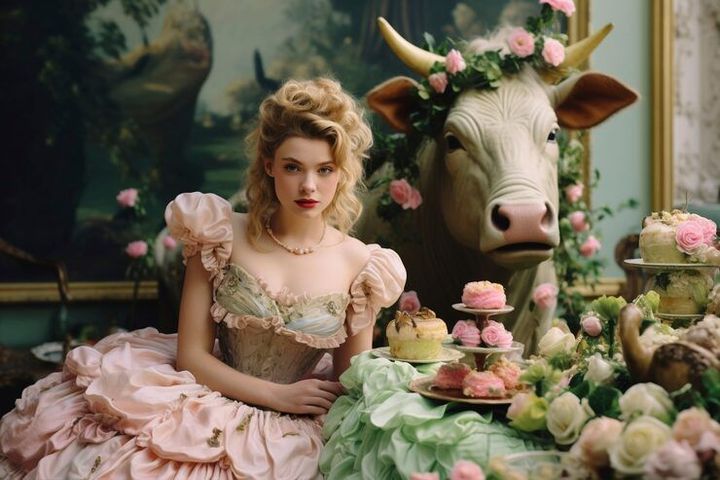
Rococo-inspired fashion refers to modern clothing and styling influenced by the decorative, playful, and highly detailed aesthetics associated with the Rococo period of eighteenth-century Europe. Common visual elements include flowing curves, floral patterns, ribbons, lace, embroidery, pastel shades, ornate accessories, and elaborate silhouettes.
The Rococo style developed mainly during the early and middle eighteenth century, particularly in France, before spreading across other parts of Europe. Fashion from this period was closely connected with decorative arts, architecture, interior design, textiles, and court culture.
Modern Rococo-inspired fashion does not normally reproduce historical clothing exactly. Instead, designers and wearers may adapt individual elements such as ruffles, bows, corset-inspired bodices, puffed sleeves, floral fabrics, decorative trims, and layered skirts for contemporary clothing.
Historical Origins of Rococo Style
Rococo emerged after the Baroque period and generally placed greater emphasis on lighter decoration, asymmetry, curved forms, delicate ornament, and intimate settings. In clothing, these characteristics appeared through richly patterned textiles, elaborate trimmings, lace, embroidery, and sculptural silhouettes.
The Metropolitan Museum of Art's costume collection contains eighteenth-century examples showing how Rococo decoration appeared in silk textiles and women's dress. A British dress from around 1750, for example, uses floral patterns arranged in curving Rococo forms.
Women's clothing commonly used structured undergarments and skirt supports. Robes such as the robe à la française could have wide skirts supported by panniers, while decorated petticoats and detailed textile patterns contributed to the overall appearance.
Main Features of Rococo-Inspired Fashion
Several visual features can help identify Rococo-inspired clothing:
Soft colors: Blush pink, powder blue, lavender, cream, ivory, pale green, and muted floral shades are frequently associated with modern interpretations.
Decorative textiles: Floral motifs, botanical patterns, brocades, damasks, and ornate prints can create a historical impression.
Ruffles and lace: Layered edges, lace cuffs, frilled collars, and decorated necklines add visual texture.
Ribbons and bows: Narrow ribbons and larger bows can be used on dresses, blouses, shoes, handbags, and hair accessories.
Structured silhouettes: Corset-inspired bodices, fitted waists, wide skirts, and shaped sleeves can reference eighteenth-century clothing.
Embroidery: Floral and ornamental embroidery can reproduce the detailed surface decoration associated with historical garments.
Ornate accessories: Pearls, decorative hair pieces, cameo-inspired jewelry, gloves, fans, and embellished shoes can complete a Rococo-inspired appearance.
Important Historical Garments
The robe à la française is one of the recognizable garments associated with eighteenth-century fashion. It featured a bodice and broad skirt, with characteristic pleating at the back and extensive textile decoration.
The robe à l'anglaise developed with a more fitted back and was also worn during the eighteenth century. Examples in the Metropolitan Museum of Art demonstrate how these garments could combine structured construction with elaborate Rococo textiles.
These historical garments provide useful references for modern designers because they demonstrate how fabric, structure, decoration, and proportion worked together rather than functioning as separate visual details.
Importance
Why Rococo-Inspired Fashion Remains Relevant
Rococo-inspired fashion provides a way to reinterpret historical design elements for modern clothing. Instead of copying an eighteenth-century outfit completely, contemporary fashion can extract selected details and combine them with current silhouettes.
This approach is also useful for costume design, editorial styling, theatrical clothing, period-inspired events, alternative fashion, photography, and fashion education. Historical references can help designers understand how decoration and construction changed across different periods.
The Metropolitan Museum of Art describes eighteenth-century fashion as part of a wider social history involving textile production, international trade, political changes, and industrial development.
Where Rococo Elements Appear
Rococo-inspired details can appear across different clothing categories:
Dresses: Layered skirts, floral fabrics, fitted bodices, ribbons, and lace can create a Rococo reference.
Blouses: Ruffled collars, puffed sleeves, decorative cuffs, and bows can introduce historical details without requiring a complete period outfit.
Outerwear: Structured jackets and coats can use embroidery, ornate buttons, curved lines, or decorative trims.
Accessories: Hair bows, pearl jewelry, gloves, decorative shoes, handbags, and fans can introduce smaller Rococo elements.
Formalwear: Elaborate fabrics and detailed surface decoration can be incorporated into evening garments.
Alternative fashion: Some contemporary subcultures combine Rococo references with gothic, romantic, theatrical, or fantasy aesthetics.
Modern Styling Approaches
There are several ways to interpret Rococo-inspired fashion without reproducing an eighteenth-century wardrobe.
A subtle approach may use one or two historical details, such as a lace collar with a modern blouse or a ribbon accessory with a simple dress. A more elaborate approach can combine corset-inspired construction, a full skirt, floral embroidery, ornate accessories, and historically influenced hair styling.
The main difference is the degree of historical reference. Some outfits are clearly inspired by eighteenth-century clothing, while others only use small decorative details.
Comparing Historical and Modern Interpretations
| Feature | Historical Rococo Fashion | Modern Rococo-Inspired Fashion |
|---|---|---|
| Silhouette | Structured and often wide | Adapted to contemporary proportions |
| Skirt shape | Frequently supported by panniers | May use ordinary fabric or modern construction |
| Fabrics | Silk, brocade, patterned textiles | Silk, satin, cotton, lace, synthetic blends, and other fabrics |
| Decoration | Embroidery, lace, ribbons, floral motifs | Prints, appliqué, embroidery, bows, and trims |
| Colors | Pastels and richly decorated combinations | Pastels, neutrals, jewel tones, or darker interpretations |
| Accessories | Fans, gloves, jewelry, hair ornaments | Jewelry, bags, shoes, bows, and modern accessories |
| Purpose | Social and court dress among particular groups | Everyday, formal, costume, editorial, or alternative styling |
Practical Limitations
Historical silhouettes can be difficult to adapt to everyday clothing because some original garments depended on rigid understructures, multiple layers, specialized tailoring, and large skirt supports.
Another challenge is historical accuracy. A modern garment may combine details from different decades or countries even though those elements were not commonly worn together historically. This is not necessarily incorrect for fashion interpretation, but it is useful to distinguish historical reconstruction from modern inspiration.
Recent Updates
Rococo Revival in Contemporary Fashion
Interest in Rococo aesthetics has appeared in contemporary fashion discussions during 2024–2026. Vogue reported in 2025 that Pinterest had identified a “Rococo revival” trend, with increased interest in frilled and flowing fashion and searches for Rococo-inspired outfits.
This revival does not mean that modern clothing has returned to eighteenth-century dress. Instead, current interpretations often extract recognizable elements such as ruffles, bows, florals, romantic silhouettes, and decorative textures.
Contemporary Runway References
Historical references continue to appear in runway collections through combinations of modern construction and older visual ideas. Simone Rocha's Spring 2025 collection, for example, incorporated romantic floral and theatrical elements while presenting them through contemporary garments rather than direct historical reproduction.
The 2025 Met Gala also provided a visible example of Rococo-related references. Vogue documented Cynthia Erivo's Givenchy look as drawing on Rococo dandyism, historical menswear, and archive references while combining them with modern couture construction.
Digital Fashion Research
Digital museum collections have also made historical fashion research easier. The Metropolitan Museum of Art provides detailed online records for eighteenth-century garments, including dates, materials, cultural origins, construction information, and historical context.
Digital collections can help designers and students compare garments from different decades without relying only on modern interpretations. This can make it easier to distinguish Rococo characteristics from later Neoclassical or Romantic influences.
Sustainability and Historical Reuse
Contemporary fashion discussions increasingly consider garment longevity, material reuse, repair, and reduced textile waste. Historical fashion references can fit into this discussion when designers reinterpret existing garments, use deadstock materials, or create adaptable pieces rather than producing highly elaborate clothing for a single occasion.
The relationship between historical aesthetics and sustainability varies by garment and production method, so a Rococo-inspired appearance does not automatically indicate a particular environmental impact.
Laws or Policies
Clothing and Cultural Heritage
There is no single international law specifically governing Rococo-inspired clothing. Modern garments influenced by historical European fashion are generally subject to the ordinary clothing, textile, labeling, intellectual-property, consumer, and import rules applicable in the relevant country.
Historical garments and museum collections can involve different legal considerations. Museums may impose rules concerning photography, reproduction, digital images, collection access, and commercial use of protected material.
Intellectual Property Considerations
Rococo as a historical artistic style is not itself owned by a single designer or organization. However, a modern designer's specific artwork, print, photograph, logo, garment pattern, or original design can have intellectual-property protection depending on the jurisdiction.
Copyright duration also varies by country, although many eighteenth-century works are far outside ordinary copyright periods. Modern photographs, digital reproductions, museum publications, and newly created designs can have separate rights.
Textile and Labeling Requirements
Clothing sold or distributed in different regions may need information about fiber composition, country of origin, care instructions, or other required labeling. Requirements differ among jurisdictions such as the European Union, United States, United Kingdom, and other national markets.
For historical costumes or theatrical garments, additional rules can apply depending on materials, public-event requirements, flammability standards, or the intended use. Designers should therefore check the regulations applicable to the specific country and garment category.
Tools and Resources
Museum Collections
Museum databases are useful for studying authentic historical garments. The Metropolitan Museum of Art's online collection includes eighteenth-century dresses, textiles, accessories, and related research material.
Other museums and national collections can provide additional examples from France, Britain, Russia, and other regions influenced by eighteenth-century European fashion.
Digital Fashion Archives
Digital archives can provide garment photographs, historical descriptions, collection records, textile information, and exhibition material. These resources are useful for identifying construction details and comparing garments from different periods.
Fashion Design Software
Modern pattern-design and garment-visualization software can help designers test silhouettes, proportions, fabric arrangements, and decorative elements before physical construction. Three-dimensional garment visualization can also help examine how layered fabrics and shaped garments appear on a digital model.
Historical References and Pattern Resources
Historical costume books, museum catalogs, archival illustrations, paintings, and preserved garments can provide references for accurate design interpretation. When using historical images, it is important to distinguish between contemporary artistic representation and surviving physical evidence because paintings may idealize clothing or omit construction details.
Color and Textile Planning
Digital color tools and textile libraries can help coordinate palettes based on historical references. Designers can compare muted pastels, floral combinations, metallic accents, and contrasting trims while adapting the palette to modern garments.
FAQs
What is Rococo-inspired fashion?
Rococo-inspired fashion is modern clothing influenced by the decorative style of eighteenth-century Rococo art and dress. It commonly uses details such as ruffles, lace, bows, floral patterns, embroidery, pastel colors, and elaborate silhouettes.
What are the main features of Rococo-inspired fashion?
Common features include soft colors, floral textiles, curved decorative patterns, ribbons, bows, lace, fitted bodices, wide or layered skirts, ornate accessories, and detailed embroidery. Modern interpretations may use only a few of these elements.
How can Rococo-inspired fashion be styled today?
Rococo-inspired fashion can be adapted through a single decorative element or a complete historical-inspired outfit. A modern blouse with a lace collar, a floral dress with ribbon details, or a contemporary outfit with ornate accessories can create a subtle interpretation.
What did Rococo fashion look like historically?
Eighteenth-century Rococo clothing often featured structured bodices, broad skirts, decorated textiles, lace, embroidery, ribbons, and elaborate accessories. Garments such as the robe à la française and robe à l'anglaise are important examples of the period.
Is Rococo fashion still relevant in 2026?
Rococo references continue to appear in contemporary fashion through ruffles, romantic silhouettes, floral decoration, historical tailoring references, and theatrical styling. Recent fashion coverage has also documented renewed interest in Rococo-inspired aesthetics during 2025.
Conclusion
Rococo-inspired fashion adapts the decorative language of eighteenth-century clothing for contemporary wardrobes, costumes, and creative design. Historical garments provide references for silhouettes, textiles, embroidery, lace, ribbons, and structured construction, while modern designers can reinterpret these elements in different proportions and materials. Recent fashion activity has continued to bring Rococo references into contemporary styling, supported by digital museum collections and historical research. Understanding the difference between historical reconstruction and modern interpretation helps create a clearer connection between past fashion and present-day design.