European River Cruises: Explore Routes, Destinations, and Key Information
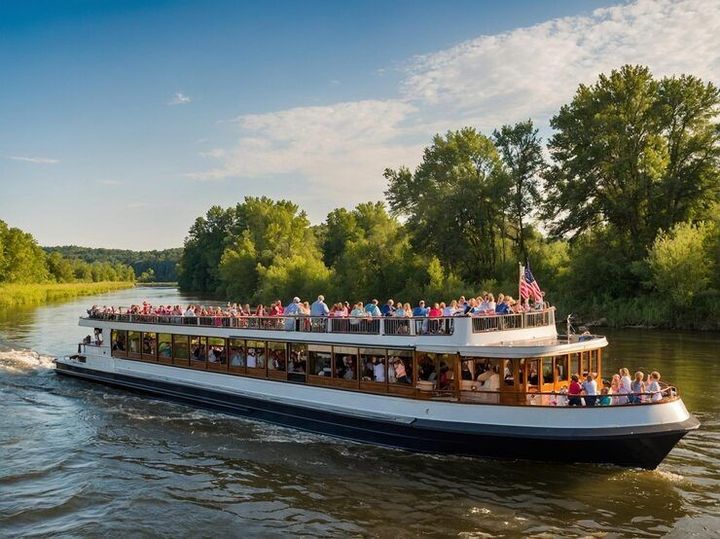
European River Cruises are journeys that travel along Europe's major navigable rivers, allowing travelers to visit multiple cities, towns, cultural sites, and natural landscapes during one itinerary. Unlike ocean cruises, river cruises generally operate on narrower inland waterways and often travel close to the destinations visited.
Major routes cross several European countries. Depending on the itinerary, travelers may pass through Germany, Austria, Hungary, France, the Netherlands, Belgium, Portugal, Spain, Switzerland, or other European regions.
A river cruise normally combines accommodation on a river vessel with scheduled stops along the route. During these stops, travelers may explore historic centers, museums, castles, vineyards, markets, monuments, and local communities.
How River Cruise Routes Work
A typical itinerary has a starting port and a final port, although some journeys return to the original location. The vessel travels between scheduled stops, usually during the day or overnight depending on the route.
A cruise itinerary may include:
Embarkation: Travelers board the vessel at the starting port.
River navigation: The vessel moves between destinations along the selected river.
Port calls: Travelers leave the vessel to explore a destination.
Shore excursions: Organized or independent activities may be available.
Onboard time: Travelers can use the vessel while moving between destinations.
Disembarkation: The journey ends at the final port.
River levels, locks, bridges, weather, navigation restrictions, and local conditions can sometimes affect schedules. Travelers should therefore treat the published itinerary as a planned route rather than an absolute guarantee of every port call.
Major European River Routes
Danube River: One of Europe's major river-cruise corridors, passing through or near destinations such as Vienna, Bratislava, Budapest, and areas of Germany and the Balkans.
Rhine River: A major route through parts of Switzerland, Germany, France, and the Netherlands, with access to historic cities, castles, vineyards, and scenic river landscapes.
Seine River: A popular France-focused route connecting Paris with destinations in Normandy and other areas along the river.
Douro River: A route through Portugal and northern Spain, known for vineyard landscapes, historic towns, and the Douro Valley.
Rhône and Saône Rivers: Routes in France that connect areas around Lyon, Burgundy, Provence, and the Rhône Valley, depending on the itinerary.
Moselle River: A route associated with Germany, Luxembourg, and France, particularly known for vineyard regions and historic riverside towns.
Elbe River: A Central European route associated with Germany and the Czech Republic, including destinations such as Dresden and areas around Prague through combined itineraries.
Importance
Visiting Multiple Destinations
One of the main characteristics of European River Cruises is the ability to visit several destinations during one continuous journey. Travelers can unpack once while moving between different cities and regions.
For example, a Danube itinerary may connect several Central European capitals, while a Rhine itinerary can combine historic cities with smaller riverside communities.
Cultural Exploration
European rivers have played important roles in trade, transportation, settlement, and cultural development. Many historic cities developed around waterways, making river routes closely connected with architecture, museums, churches, castles, markets, and historic districts.
Shore excursions may focus on local history, food traditions, architecture, music, art, or regional landscapes.
Scenic Travel
River cruising provides a different perspective from road or air travel. Travelers can observe landscapes directly from the vessel while moving between destinations.
Depending on the route, scenery can include vineyards, forests, historic bridges, medieval towns, castles, agricultural areas, mountains, and urban waterfronts.
Convenient Regional Travel
A river cruise can combine transportation and onboard accommodation within one itinerary. This means travelers do not generally need to arrange separate hotel changes between every destination included in the cruise.
This format can be particularly relevant for travelers interested in visiting several European regions within one trip.
Route Comparison
| River | Common Countries | Notable Destinations | Typical Themes |
|---|---|---|---|
| Danube | Germany, Austria, Slovakia, Hungary | Vienna, Bratislava, Budapest | Capitals, history, culture |
| Rhine | Switzerland, Germany, France, Netherlands | Cologne, Strasbourg, Amsterdam | Castles, cities, scenery |
| Seine | France | Paris, Rouen, Normandy | Art, history, architecture |
| Douro | Portugal, Spain | Porto, Douro Valley | Vineyards, landscapes |
| Rhône/Saône | France | Lyon, Avignon, Arles | Food, history, culture |
| Moselle | Luxembourg, Germany, France | Trier and wine regions | Vineyards, towns |
| Elbe | Czechia, Germany | Dresden and surrounding areas | History, architecture |
Recent Updates
Changing Border Procedures
European travel is undergoing digital changes that can affect international visitors. The EU's Entry/Exit System became fully operational across the Schengen countries in April 2026, introducing digital registration procedures for eligible non-EU travelers making short stays.
The European Travel Information and Authorisation System, known as ETIAS, is scheduled to begin in the last quarter of 2026. The exact launch date is to be announced by the EU. ETIAS applies to visa-exempt nationals traveling to participating European countries for short stays.
Because these systems can change, travelers should check official European border information close to their departure date.
Growing Digital Travel Planning
Travel planning increasingly uses digital maps, mobile applications, electronic boarding information, translation tools, and destination-planning platforms.
For river cruises, digital tools can help travelers understand port locations, walking distances, weather conditions, transportation connections, and destination opening information.
Flexible Itinerary Planning
Modern European River Cruises can include different itinerary lengths and combinations. Travelers may select shorter regional journeys or longer routes crossing several countries.
Some itineraries also combine a river cruise with hotel stays before or after the sailing. This can allow travelers to spend additional time in major cities such as Paris, Amsterdam, Budapest, Vienna, or Porto.
Accessibility Awareness
Accessibility has become an increasingly important consideration for travelers. European passenger-rights rules include protections for people with disabilities or reduced mobility in covered inland-waterway travel.
However, accessibility can vary between vessels, ports, historic buildings, cobblestone streets, and excursion locations. Travelers with mobility requirements should therefore check the physical conditions of the specific itinerary before departure.
Passenger Rights
EU passenger-rights rules cover certain journeys on inland waterways and cruise vessels, although their exact application depends on factors such as the route, vessel, departure point, and type of journey. The EU provides information concerning delays, cancellations, luggage, accessibility, and other passenger situations.
Travelers should check the conditions that apply to their particular cruise rather than assuming that every river journey receives identical protection.
Laws or Policies
European Passenger Rights
Regulation (EU) No 1177/2010 establishes passenger-rights rules for certain travel by sea and inland waterways within the EU. These rules address areas including information, cancellation or delay situations, assistance, accessibility, and carrier responsibilities.
The precise rights depend on the circumstances and type of journey. Some cruise-specific exclusions also apply.
Package Travel Rules
A European river cruise may form part of a larger holiday package that includes transportation, accommodation, excursions, or other travel elements.
The EU updated its Package Travel Directive in 2026 through Directive (EU) 2026/1024. The revised framework strengthens several traveller protections and clarifies rules concerning cancellations, refunds, insolvency protection, and package arrangements. Member states must transpose the changes into national law according to the directive's implementation timetable.
Visa and Entry Requirements
Visa requirements depend on the traveler's nationality, destination countries, passport, length of stay, and itinerary.
A river cruise can cross several national borders, so travelers should examine every country included in the itinerary. A visa or entry permission for one country does not automatically mean that every destination on a multi-country itinerary has identical requirements.
For visa-exempt travelers, ETIAS is scheduled for introduction during the final quarter of 2026, subject to the official launch announcement.
Schengen Area Considerations
Many major river-cruise destinations are within the Schengen Area. The short-stay framework generally uses a maximum of 90 days within a 180-day period for eligible travelers, but individual nationality and visa circumstances matter.
Travelers should check the official EU immigration information and the requirements of every non-Schengen destination included in their route.
Travel Documents
A valid passport is essential for international travel. Travelers should also keep copies or digital records of important documents such as cruise confirmations, travel insurance information, visas or travel authorizations where applicable, and emergency contact details.
Passport validity requirements can differ by destination, so checking official government information before departure is important.
Tools and Resources
Official European Travel Information
The European Union's Your Europe portal provides information about passenger rights, travel documentation, border requirements, and related travel matters.
It can be useful for international travelers who are unfamiliar with European travel rules.
Digital Maps
Mapping applications can help travelers understand the relationship between ports and city centers. This is particularly useful when a vessel docks outside the main historic district.
Maps can also help identify walking routes, public transportation, museums, restaurants, landmarks, and nearby transportation connections.
Weather Forecasts
Weather information can help travelers prepare for changing conditions across different European regions.
A single cruise may pass through areas with noticeably different temperatures or weather patterns, especially during spring and autumn.
Currency and Payment Tools
European River Cruises may cross countries using different currencies. Many destinations use the euro, while countries such as Hungary, Switzerland, Czechia, and others may use different national currencies.
A currency-conversion tool and an international payment method can help travelers understand local prices and payment arrangements.
Language and Translation Tools
River cruises can cross several language regions. Translation applications, offline language resources, and basic destination vocabulary can help travelers communicate during independent exploration.
Travel Insurance Documents
Travelers should review their insurance documentation before departure and understand what circumstances are covered. International trips can involve medical expenses, missed connections, baggage issues, itinerary changes, and other situations.
The appropriate coverage depends on the traveler, itinerary, destination countries, and policy terms.
FAQs
What are European River Cruises?
European River Cruises are journeys along navigable European rivers that combine onboard accommodation with visits to cities, towns, cultural attractions, and natural landscapes along the route.
Which rivers are popular for European River Cruises?
Major routes include the Danube, Rhine, Seine, Douro, Rhône, Saône, Moselle, and Elbe. Each river provides different combinations of countries, landscapes, historic sites, and cultural destinations.
What countries can be visited on European River Cruises?
Depending on the itinerary, travelers may visit France, Germany, Austria, Hungary, Switzerland, the Netherlands, Belgium, Portugal, Spain, Slovakia, Luxembourg, Czechia, and other European countries.
Do international travelers need a visa for European River Cruises?
Visa requirements depend on nationality, passport, itinerary, and the countries visited. Travelers should check requirements for every country included in the cruise. Visa-exempt travelers should also monitor the planned 2026 introduction of ETIAS.
What should travelers consider before a European river cruise?
Important considerations include the route, season, passport requirements, visas or travel authorizations, accessibility, river conditions, excursion arrangements, travel insurance, currency, weather, and the physical demands of walking tours.
Conclusion
European River Cruises connect major waterways with historic cities, cultural destinations, scenic landscapes, and smaller riverside communities. The Danube, Rhine, Seine, Douro, Rhône, Moselle, and Elbe provide different travel experiences across multiple European regions. International travelers should review passport and entry requirements, passenger protections, accessibility, seasonal conditions, and the countries included in their itinerary before departure. European border systems and package-travel rules are also evolving in 2026, making current official information particularly relevant for worldwide travelers.