Elite Safari Expeditions: Explore Luxury Wildlife Travel and Unique Destinations
Elite safari expeditions combine wildlife encounters, secluded wilderness, refined accommodation, and immersive travel experiences. From Africa's iconic reserves to emerging safari destinations, these journeys connect travelers with nature, conservation, local culture, and distinctive landscapes.
Context
Elite safari expeditions represent a refined form of wildlife travel that combines wilderness exploration with comfortable accommodation, expert-led activities, privacy, and carefully planned itineraries. Rather than focusing only on viewing animals, modern safari journeys can include conservation experiences, cultural encounters, walking safaris, wellness, photography, and time spent in remote landscapes.
Africa remains the central region for many safari expeditions, with destinations such as Kenya, Tanzania, Botswana, South Africa, Zambia, Zimbabwe, Namibia, and Rwanda. Other wildlife-focused journeys can be found in countries such as India, Sri Lanka, Brazil, Ecuador, and Australia.
The modern safari experience is also becoming more diverse. Travelers are increasingly interested in quieter destinations, longer stays, private-use areas, meaningful cultural connections, and conservation-focused tourism rather than simply visiting famous wildlife locations.
Types of Elite Safari Expeditions
Elite safari expeditions can take several forms:
Private reserve safaris
Luxury tented camp journeys
Wildlife photography expeditions
Walking safaris
Family and multi-generational safaris
Conservation-focused journeys
Gorilla and primate expeditions
Desert wildlife expeditions
River and wetland safaris
Combined safari and beach journeys
Each format provides a different balance of wildlife viewing, adventure, relaxation, cultural discovery, and nature immersion.
Major Safari Regions
East Africa is known for destinations such as the Serengeti, Maasai Mara, Ngorongoro, and Kenya's private conservancies. Southern Africa includes Botswana's Okavango Delta, Zambia's Luangwa Valley, Zimbabwe's Hwange region, Namibia's desert landscapes, and South Africa's private reserves.
In 2026, African travel organizations have also highlighted Rwanda, Uganda, Zambia, Zimbabwe, and Madagascar as alternative safari destinations, reflecting growing interest in destinations beyond traditional routes.
Importance
Elite safari expeditions are important because they combine wildlife observation with broader experiences centered on nature, culture, conservation, and personal exploration.
Immersive Wildlife Experiences
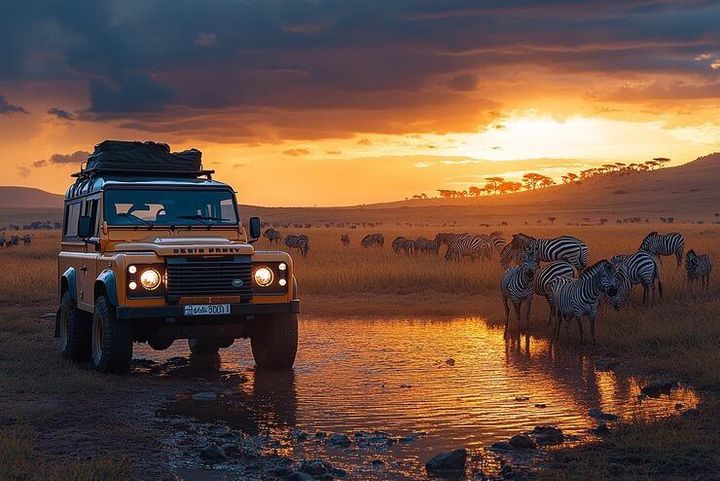
A safari places travelers directly within natural landscapes where animals can be observed in their natural surroundings. Depending on the destination, wildlife may include elephants, lions, leopards, cheetahs, giraffes, rhinos, buffalo, hippos, gorillas, and numerous bird species.
Game drives are only one part of the experience. Walking safaris, boat excursions, night drives where permitted, and specialist photography activities can provide different perspectives on the surrounding ecosystem.
Privacy and Low-Density Travel
Private reserves and exclusive-use areas can provide a quieter setting than heavily visited public areas. This can make wildlife observation more relaxed and provide greater flexibility when planning daily activities.
The wider luxury safari sector is increasingly moving toward low-density experiences, privacy, and remote destinations as travelers seek alternatives to crowded wildlife-viewing areas.
Conservation Connections
Conservation is increasingly connected to the modern safari experience. Responsible tourism can contribute to habitat protection, wildlife monitoring, community initiatives, and long-term environmental programs.
In 2026, safari industry reporting has emphasized that conservation and community involvement are becoming more central to premium wildlife travel rather than being treated as secondary themes.
Cultural Discovery
Wildlife is only one part of many safari destinations. Travelers may also encounter local communities, traditional food, crafts, historical sites, music, storytelling, and regional traditions.
Cultural experiences can provide greater context for the landscapes and communities surrounding protected areas.
Nature and Personal Well-Being
Safari environments can provide opportunities to disconnect from busy routines. Early-morning drives, walking through wilderness areas, quiet evenings, open landscapes, and time away from dense urban environments can create a slower rhythm.
The 2026 safari trend toward longer stays, fewer transitions, silence, scenery, and unhurried experiences reflects this growing emphasis on restorative travel.
Recent Updates
Safari travel has continued to evolve during 2024–2026, with changing traveler preferences influencing destinations, accommodation, conservation, itinerary design, and wildlife experiences.
Growth in Luxury Safari Interest
Recent 2026 research indicates strong interest in safari travel among luxury travelers. Squaremouth reported that 52% of surveyed travelers were interested in taking a safari, while 26% of travelers planning a luxury trip within the following two years identified safari travel as a priority.
This indicates that wildlife travel continues to hold a significant position within the broader luxury tourism market.
Emerging Safari Destinations
Travelers are increasingly exploring destinations beyond established safari circuits. ATTA's 2026 Africa travel trends identified Rwanda, Uganda, Zambia, Zimbabwe, and Madagascar as alternative safari destinations, alongside broader interest in culture, conservation, heritage, and slower travel.
This diversification can help travelers discover different ecosystems and wildlife experiences while reducing concentration around heavily visited destinations.
New Luxury Safari Lodges
New safari properties are increasingly combining refined accommodation with landscape-sensitive design and environmental considerations.
In 2026, new and upcoming African properties have emphasized features such as solar energy, water harvesting, locally sourced materials, low-impact design, private villas, wellness spaces, and immersive nature activities.
Regenerative Travel
Regenerative travel is becoming an important concept within safari planning. Instead of focusing solely on minimizing environmental impact, this approach considers how tourism can contribute positively to landscapes, wildlife, and local communities.
The 2025–2026 State of Safari research identified conservation outcomes, community initiatives, longer stays, and more intentional travel as important developments in the sector.
Personalized and Multi-Generational Safaris
Safari travel is increasingly being adapted for families and groups containing travelers of different ages. Private houses, exclusive-use camps, flexible schedules, and varied activities can make it easier to accommodate different interests.
Expert Africa's 2026 trend research identifies multi-generational travel as an important development, with private safari houses and exclusive-use camps increasingly designed around groups traveling together.
Wellness and Slow Safari Travel
Wellness is also becoming integrated into safari itineraries. Instead of treating wellness as a separate resort experience, travelers can combine nature walks, quiet surroundings, healthy regional cuisine, fitness activities, and slower daily schedules.
The 2026 safari landscape increasingly connects wellness with nature, space, silence, and reduced itinerary pressure.
Laws or Policies
Elite safari expeditions involve wildlife, environmental, immigration, transportation, and protected-area regulations. Requirements vary by country and protected area.
Entry and Immigration Requirements
International travelers should verify passport validity, visa requirements, vaccination documentation where applicable, and entry procedures before departure.
Safari itineraries may cross several countries, so travelers should review the requirements for every destination included in the journey.
Protected Area Regulations
National parks, conservancies, wildlife reserves, and protected areas can have specific rules covering vehicle movement, photography, walking activities, wildlife distances, camping, fishing, and access to sensitive habitats.
Visitors should follow instructions from park authorities, guides, and conservation personnel.
Wildlife Protection
Wildlife interaction is generally regulated to protect both animals and visitors. Travelers should maintain appropriate distances, avoid feeding animals, follow designated routes, and respect restrictions around nesting, breeding, or sensitive wildlife areas.
Environmental Policies
Many safari regions have environmental policies covering waste management, water use, vehicle movement, energy systems, and construction within sensitive habitats.
Travelers interested in responsible tourism can examine how accommodation providers and conservation areas manage their environmental footprint.
Photography and Cultural Respect
Photography may be restricted in certain locations or around particular communities. Travelers should request permission before photographing people and follow local cultural expectations.
Professional photography equipment, drones, and specialist wildlife equipment may also be subject to local restrictions.
Tools and Resources
Several resources can help travelers plan elite safari expeditions.
Destination Research
Official tourism authorities, national park agencies, conservation organizations, and established travel publications can provide information about wildlife areas, seasons, entry requirements, weather, and local conditions.
Wildlife Calendars
Wildlife movement varies according to rainfall, vegetation, migration patterns, breeding cycles, and local ecosystems. Seasonal information can help travelers choose destinations according to their interests.
Accommodation Research
Travelers can compare camp locations, room layouts, access arrangements, activities, environmental practices, family facilities, and transportation connections.
Photography Resources
Wildlife photographers can research camera requirements, lens options, photography vehicles, lighting conditions, and local photography rules before traveling.
Conservation Resources
Conservation organizations and protected-area authorities can provide information about habitat protection, wildlife monitoring, community programs, and responsible visitor behavior.
Weather and Travel Planning
Weather forecasts and regional climate information are important when planning safari travel. Seasonal rainfall can influence road conditions, wildlife movement, temperatures, and access to particular areas.
FAQs
What are elite safari expeditions?
Elite safari expeditions are premium wildlife journeys that combine wildlife observation with refined accommodation, expert-led activities, privacy, nature immersion, cultural experiences, and carefully planned itineraries.
Which destinations are popular for elite safari expeditions?
Kenya, Tanzania, Botswana, South Africa, Namibia, Zambia, Zimbabwe, and Rwanda are among the major African safari destinations. Alternative regions such as Uganda and Madagascar are also gaining attention.
What activities are available during safari expeditions?
Activities can include game drives, walking safaris, boat excursions, wildlife photography, birdwatching, cultural visits, conservation experiences, stargazing, and nature walks. Availability depends on the destination and local regulations.
Are elite safari expeditions suitable for families?
Yes. Some safari properties are designed for families and multi-generational groups, with private-use accommodation, flexible activities, and varied schedules. Travelers should check age policies and activity requirements before planning.
What should travelers consider when planning a luxury safari?
Important factors include wildlife interests, destination, season, accommodation type, transportation, conservation policies, entry requirements, health documentation where applicable, activity preferences, group composition, and the length of the journey.
Conclusion
Elite safari expeditions combine wildlife encounters, refined accommodation, conservation, cultural discovery, and immersive nature experiences. Current 2026 trends show growing interest in quieter destinations, longer stays, regenerative travel, multi-generational journeys, and more meaningful connections with landscapes and communities. Careful planning around seasons, protected-area regulations, transportation, accommodation, and responsible wildlife practices can create a more rewarding journey. Safari travel continues to evolve from a traditional wildlife-viewing holiday into a broader experience centered on nature, purpose, culture, and exploration.