Zero-Waste Businesses: Discover Sustainable Models, Market Trends, and Growth Opportunities
Zero-waste businesses are built around reducing material waste, improving resource efficiency, and keeping products and materials in use for longer periods. These models can appear across retail, food, manufacturing, packaging, hospitality, construction, and other industries.
Zero-Waste Businesses: Discover Sustainable Models, Market Trends, and Growth Opportunities
Context
Zero-waste businesses are organizations that incorporate waste reduction, resource efficiency, reuse, recovery, and circular practices into their operating models. Rather than treating waste only as an end-of-process issue, these businesses consider how materials are sourced, used, recovered, reused, recycled, or returned to productive applications.
The concept can apply to many industries. Food businesses may reduce food and packaging waste, manufacturers can recover production materials, retailers can introduce refill systems, and technology platforms can coordinate reuse or redistribution of products.
What Is a Zero-Waste Business?
A zero-waste business uses strategies intended to reduce the amount of material sent for disposal while improving the use of resources throughout business operations.
The term does not necessarily mean that an organization produces absolutely no waste. In practical applications, it generally refers to systematic efforts to prevent waste, reduce unnecessary material use, extend product life, reuse resources, recover materials, and improve recycling or composting pathways.
Common Zero-Waste Business Models
Zero-waste business models can include:
Refill and reuse systems
Product repair and refurbishment
Packaging-return programmes
Material recovery
Recycling-focused operations
Food-waste reduction
Composting systems
Reusable packaging
Product-sharing models
Circular manufacturing
Resource-recovery platforms
The appropriate model depends on the industry, material type, infrastructure, customer behavior, and regulatory environment.
Zero-Waste and Circular Economy
Zero-waste businesses are closely connected with circular-economy principles. Circular models aim to keep products, components, and materials in use for as long as practical.
This can involve designing products for durability, repair, reuse, remanufacturing, and material recovery. A circular approach can therefore influence product design and procurement as well as waste management.
Importance
Waste reduction can influence operational efficiency, resource management, environmental performance, and long-term business planning.
Resource Efficiency
Reducing unnecessary material use can help organizations improve resource efficiency.
Businesses can review packaging, production processes, inventory practices, water consumption, energy use, and material losses to identify areas where resources may be used more effectively.
Reuse and Refill Systems
Refill systems allow containers or other products to be used multiple times rather than being discarded after a single use.
Such models can be applied to selected household products, personal-care categories, food products, beverages, and other suitable goods. Their effectiveness depends on product design, cleaning systems, logistics, consumer participation, and the overall environmental impact of the system.
Repair and Refurbishment
Repair and refurbishment can extend the useful life of products.
Electronics, furniture, machinery, appliances, tools, and other durable products may be maintained or restored rather than immediately discarded. These models can also create systems for recovering usable components.
Food-Waste Reduction
Food businesses can address waste through inventory management, portion planning, storage controls, redistribution systems, composting, and other approaches.
Restaurants, retailers, food processors, and hospitality organizations may use data and operational monitoring to identify where food waste occurs.
Sustainable Packaging
Packaging can be a significant area of focus for zero-waste strategies.
Organizations may examine packaging size, material composition, recyclability, reuse potential, transportation efficiency, and recovery infrastructure. Reusable packaging systems can also be designed around collection and return processes.
Material Recovery
Material recovery involves separating and processing materials so they can re-enter productive use.
Businesses can recover metals, plastics, paper, glass, textiles, organic materials, and other resources where appropriate infrastructure exists.
Recent Updates
Zero-waste businesses are increasingly influenced by circular-economy policies, digital monitoring, sustainable packaging, material innovation, and consumer interest in resource efficiency.
Digital Waste Management
Digital systems can help businesses monitor waste generation and resource use.
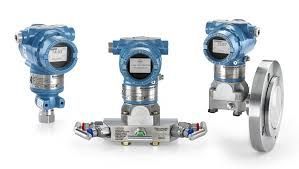
Sensors, connected equipment, inventory systems, analytics platforms, and dashboards can provide information about material flows, collection schedules, waste quantities, and recovery rates.
This information can help organizations identify recurring waste patterns and evaluate operational changes.
Circular Product Design
Product design is becoming an important part of waste prevention.
Businesses can consider:
Durability
Repairability
Modular construction
Reusable components
Recycled materials
Material separation
Product take-back systems
End-of-life recovery
Designing products with these factors in mind can make later reuse or recovery easier.
Reusable Packaging
Reusable packaging models are receiving attention across selected industries.
Systems can use standardized containers, collection networks, cleaning facilities, tracking technologies, and return logistics. Digital identification can help businesses monitor packaging circulation and return rates.
Waste-to-Resource Models
Some businesses treat discarded materials as inputs for another production process.
Examples include converting organic waste into compost or biogas, recovering materials from industrial waste, and using selected recovered materials in new products.
The technical and environmental suitability of a recovery process depends on material quality, contamination, energy requirements, and available infrastructure.
Artificial Intelligence and Analytics
Artificial intelligence and data analytics can support waste-management decisions.
Potential applications include:
Waste-volume forecasting
Collection-route planning
Material classification
Inventory optimization
Sorting support
Demand forecasting
Resource-use analysis
Equipment monitoring
AI applications require suitable data and should be evaluated according to their actual operational value.
Consumer Participation
Zero-waste models often depend on consumer participation.
Refill, return, repair, reuse, and recycling systems work more effectively when customers understand collection procedures, product handling requirements, and the intended reuse or recovery process.
Clear communication and convenient infrastructure can influence participation.
Business-to-Business Resource Recovery
Industrial businesses can exchange or recover materials that would otherwise require disposal.
Manufacturing by-products, packaging materials, process residues, and other resources may sometimes become inputs for another process. Such systems require appropriate quality controls, logistics, traceability, and regulatory assessment.
Laws or Policies
Zero-waste businesses in India can be affected by environmental legislation, waste-management rules, producer responsibilities, packaging requirements, and sector-specific regulations.
Environmental Framework
The Environment (Protection) Act, 1986 provides a broad framework for environmental regulation in India.
Businesses may also need to consider rules concerning plastic waste, solid waste, hazardous waste, e-waste, battery waste, construction and demolition waste, and other categories depending on their activities.
Plastic Waste Management
The Plastic Waste Management Rules establish requirements concerning plastic waste management and producer responsibilities.
Extended Producer Responsibility mechanisms can apply to specified producers, importers, and brand owners according to the applicable rules and regulatory framework.
Businesses using plastic packaging should evaluate applicable registration, reporting, collection, recycling, and recovery requirements.
E-Waste Management
Businesses involved with electrical and electronic products can be affected by India's E-Waste Management Rules.
The framework includes provisions concerning producers, manufacturers, refurbishers, recyclers, and Extended Producer Responsibility. The applicable requirements depend on the organization's role and the products involved.
Battery Waste
Battery-related businesses can be affected by the Battery Waste Management Rules.
These rules cover batteries across different categories and include Extended Producer Responsibility provisions. Businesses should evaluate their responsibilities according to the battery products and activities involved.
Solid Waste and Other Materials
Commercial and industrial facilities may also need to follow applicable solid-waste and hazardous-waste requirements.
The specific obligations depend on the type and quantity of waste generated, handling activities, facility classification, and applicable consent or authorization conditions.
Tools and Resources
Zero-waste businesses use operational systems, measurement tools, digital platforms, and material-management processes.
Waste Audits
A waste audit examines the types and quantities of waste generated by an organization.
A typical audit can review:
Material inputs
Waste quantities
Waste categories
Disposal pathways
Recycling rates
Reuse opportunities
Packaging consumption
Food waste
Process losses
The results can help identify areas for waste prevention and resource recovery.
Material Tracking Systems
Material tracking systems can record where materials enter, move through, and leave a business.
Digital tracking can be useful for manufacturing, packaging, logistics, recycling, and reusable-container systems.
Environmental Monitoring
Businesses can monitor indicators such as:
| Indicator | Example Measurement |
|---|---|
| Waste generation | Kilograms per month |
| Recycling rate | Percentage recovered |
| Reuse rate | Percentage reused |
| Packaging use | Units or kilograms |
| Material recovery | Quantity recovered |
| Food waste | Kilograms per operating period |
| Water use | Litres or cubic metres |
| Energy use | kWh |
The appropriate indicators depend on the business model and operational objectives.
Collection and Sorting Systems
Physical infrastructure is important for material recovery.
Depending on the operation, this can include collection containers, sorting equipment, weighing systems, compactors, balers, shredders, washing systems, or specialized recovery equipment.
Digital Analytics
Analytics platforms can combine operational information from waste records, inventory systems, sensors, and collection activities.
Dashboards can help organizations monitor waste volumes, recovery rates, material flows, and changes over time.
Circularity Assessment
Circularity assessments can evaluate how effectively products and materials remain in productive use.
Relevant considerations include product durability, repair, reuse, recycled content, material recovery, and end-of-life pathways.
FAQs
What are zero-waste businesses?
Zero-waste businesses are organizations that use waste-prevention, reuse, recovery, recycling, and resource-efficiency strategies to reduce the amount of material sent for disposal.
How do zero-waste businesses work?
Zero-waste businesses integrate practices such as reusable packaging, refill systems, repair, refurbishment, material recovery, recycling, composting, and resource-efficient production into their operations.
What are examples of zero-waste business models?
Examples include refill businesses, reusable packaging systems, repair and refurbishment operations, food-waste reduction platforms, recycling businesses, material-recovery systems, and circular manufacturing models.
What technologies support zero-waste businesses?
Technologies can include waste-monitoring sensors, material-tracking systems, sorting equipment, analytics platforms, artificial intelligence, inventory systems, digital collection platforms, and environmental monitoring tools.
Why are zero-waste businesses important?
They can help organizations reduce material waste, improve resource efficiency, extend product life, support material recovery, and incorporate circular-economy principles into business operations.
Conclusion
Zero-waste businesses focus on reducing material waste while improving reuse, recovery, recycling, and resource efficiency. Their models can include refill systems, reusable packaging, repair, refurbishment, food-waste reduction, circular manufacturing, and material recovery. Digital monitoring, analytics, connected systems, and product-design strategies are expanding the tools available for waste prevention and resource management. In India, organizations should consider applicable environmental, plastic-waste, e-waste, battery-waste, solid-waste, and sector-specific requirements when developing zero-waste business models.