Private Island Vacations: Explore Destinations, Experiences, and Key Details
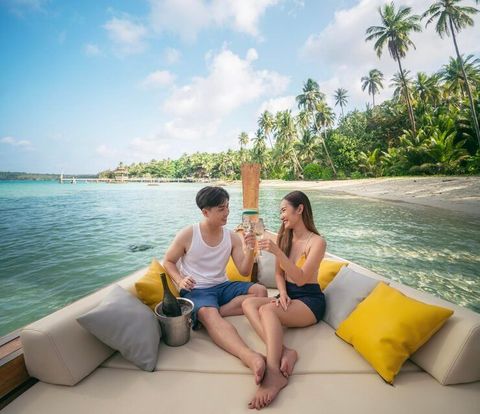
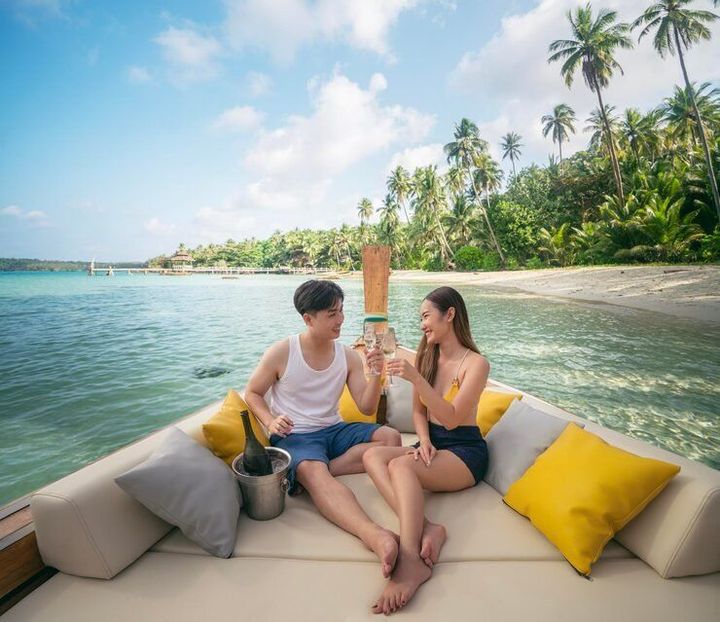
Private Island Vacations refer to holidays centered around islands that provide a secluded setting, either through an entire privately operated island or an island property designed for exclusive or limited guest access. These destinations can range from tropical islands in the Indian Ocean and Caribbean to remote properties in the South Pacific, Mediterranean, and other coastal regions.
The concept combines accommodation, natural surroundings, recreation, dining, transportation, and personalized planning within an island environment. Some properties accommodate many guests across separate villas, while others are designed for a small group or exclusive use.
A private island does not necessarily mean that a traveler legally owns or exclusively controls the entire island. In tourism, the term can describe an island resort, an exclusive-use property, or a secluded island accommodation.
How Private Island Travel Works
A private island holiday usually involves several connected elements:
Accommodation: Villas, bungalows, residences, lodges, or suites provide the main living space.
Island access: Guests may reach the destination by boat, ferry, seaplane, helicopter, or domestic and international flights followed by transfers.
Dining: Island properties may have restaurants, private dining areas, beach settings, or in-villa dining arrangements.
Activities: Swimming, snorkeling, diving, boating, hiking, fishing, wildlife observation, and cultural activities may be available depending on location.
Planning: Transfers, excursions, meals, equipment, and activities may need to be arranged before or during the trip.
Privacy: Limited guest numbers, secluded accommodation, and controlled access can create a more private environment.
The experience varies significantly between destinations. A Caribbean island may focus on beaches and sailing, while a South Pacific destination may emphasize marine environments and cultural experiences.
Types of Private Island Destinations
Tropical island resorts are commonly associated with warm weather, beaches, lagoons, water activities, and villa accommodation.
Exclusive-use islands are designed for a single group or a limited number of guests during a particular period.
Remote island lodges may emphasize wildlife, nature, conservation, and outdoor exploration rather than conventional resort activities.
Mediterranean island retreats can combine coastal landscapes with historical towns, food culture, sailing, and access to nearby cultural attractions.
Polar and subpolar island destinations provide a very different experience, often centered on wildlife, landscapes, expedition travel, and seasonal access.
Importance
Privacy and Seclusion
One of the main characteristics of Private Island Vacations is physical separation from crowded tourism areas. Limited accommodation capacity can create a quieter environment compared with large coastal resorts or busy urban destinations.
The degree of privacy depends on the property, island size, number of guests, accommodation layout, and whether the island is operated exclusively for one group.
Nature and Landscape
Island destinations can provide direct access to beaches, reefs, forests, lagoons, cliffs, marine ecosystems, and other natural environments.
The surrounding landscape often becomes a central part of the travel experience. Activities can therefore focus on outdoor exploration rather than sightseeing within a large city.
Water-Based Experiences
Many private island destinations are surrounded by marine environments suitable for selected recreational activities.
Common experiences include:
Snorkeling around coral reefs or coastal areas.
Scuba diving at designated dive sites.
Kayaking through lagoons or sheltered waters.
Sailing along nearby coastlines.
Paddleboarding in calm conditions.
Boat excursions to neighboring islands.
Wildlife observation from designated areas.
Availability depends on local weather, marine conditions, conservation rules, and seasonal factors.
Cultural Experiences
A secluded island holiday does not necessarily mean staying isolated from local culture. Depending on the destination, travelers may visit nearby communities, historical sites, markets, museums, archaeological locations, or cultural landmarks.
Local food, traditional crafts, music, architecture, and community activities can provide a broader understanding of the destination.
Destination Comparison
| Region | Common Setting | Typical Experiences | Travel Consideration |
|---|---|---|---|
| Maldives | Atolls and lagoons | Diving, snorkeling, boating | Transfers between airport and island |
| Caribbean | Tropical islands | Sailing, beaches, marine activities | Hurricane-season planning |
| Seychelles | Granitic and coral islands | Beaches, hiking, wildlife | Inter-island transportation |
| South Pacific | Remote tropical islands | Marine activities, culture, nature | Long-distance travel |
| Mediterranean | Coastal and island landscapes | Sailing, food, history | Seasonal tourism patterns |
| Indian Ocean | Tropical coastal environments | Diving, nature, relaxation | Weather and transfer schedules |
Recent Updates
Growth of Experiential Travel
Private island travel increasingly overlaps with experiential tourism, where travelers place greater emphasis on distinctive surroundings, local culture, nature, and activities rather than accommodation alone.
This can include guided marine exploration, local culinary experiences, conservation activities, cultural visits, and customized outdoor itineraries.
Greater Attention to Sustainability
Island destinations face particular environmental pressures because many have limited freshwater, waste-management capacity, energy resources, and transportation connections.
As a result, sustainability has become an important part of island tourism planning. Some destinations are investing in renewable energy, water-management systems, waste reduction, reef conservation, local sourcing, and environmental monitoring.
Travelers can also encounter destination-specific rules related to marine ecosystems, wildlife, protected areas, and waste.
Conservation-Based Experiences
Some island destinations connect tourism with conservation programs involving coral reefs, marine species, forests, or other ecosystems.
These activities can include guided conservation education, reef monitoring, wildlife observation, habitat restoration, and environmental interpretation. Participation rules vary by destination and should follow local conservation requirements.
Digital Travel Planning
Online booking platforms, digital maps, weather applications, airline applications, electronic travel documents, and destination information portals have changed how travelers organize island holidays.
Remote destinations may require more detailed planning because transportation schedules can be limited. Travelers may need to coordinate international flights, domestic connections, boats, seaplanes, and ground transportation.
Changing Travel Seasons
Weather patterns have a major influence on island travel. Tropical destinations can experience wet and dry periods, storms, monsoon conditions, or changing marine conditions.
The ideal travel period depends on the destination rather than a universal global calendar. Travelers should examine official weather information and local destination guidance before finalizing plans.
Accessibility and Connectivity
Remote island destinations continue to face transportation challenges. Some properties require multiple connections, while others have direct transfers from nearby airports.
Improvements in regional aviation, ferry networks, digital communications, and destination infrastructure can make certain islands easier to reach, although remote locations can still have limited connectivity.
Laws or Policies
Entry Requirements
International travelers may need passports, visas, electronic travel authorizations, vaccination documentation where applicable, onward-travel evidence, or other documents depending on nationality and destination.
Requirements can change, so travelers should verify information through the destination country's official immigration authority or embassy before departure.
Marine and Environmental Regulations
Many island destinations contain protected marine areas, coral reefs, wildlife habitats, or national parks. Local authorities may restrict fishing, anchoring, collecting shells or coral, touching wildlife, or entering particular conservation zones.
Visitors should follow local environmental rules and instructions from authorized guides.
Maritime Transportation Rules
Boat transfers and water activities are subject to local maritime requirements. Operators may follow rules concerning passenger capacity, safety equipment, navigation, weather conditions, and licensed personnel.
Travelers should understand the conditions of water-based activities before participating.
Wildlife Protection
Island ecosystems can contain species that are protected under national or international conservation frameworks. Activities involving marine mammals, turtles, birds, coral reefs, and other wildlife may be subject to specific restrictions.
The Convention on International Trade in Endangered Species of Wild Fauna and Flora (CITES) also regulates international trade involving listed species and products derived from them. Travelers should avoid transporting protected wildlife products across borders without understanding applicable rules.
Local Tourism Policies
Individual countries and island authorities can establish rules covering visitor numbers, protected areas, environmental fees, accommodation requirements, transportation, and cultural sites.
Because regulations differ considerably around the world, destination-specific government information is more reliable than assuming that one set of rules applies everywhere.
Tools and Resources
Destination Maps
Digital maps can help travelers understand an island's geography, airport or ferry connections, nearby communities, beaches, protected areas, and transportation routes.
Maps are particularly useful for remote destinations where travel involves several separate transfers.
Weather and Marine Forecasts
Weather applications and official meteorological agencies can provide information about rainfall, temperature, wind, storms, waves, and other conditions.
Marine forecasts are especially relevant when the itinerary includes boating, diving, sailing, or other water activities.
Flight and Transfer Planners
International flights may need to connect with regional aircraft, boats, ferries, or seaplanes. A travel-planning application can help organize connection times and identify possible transfer requirements.
Travelers should allow appropriate connection time when separate transportation systems are involved.
Currency and Payment Tools
Island destinations can use different currencies and payment systems. Currency-conversion tools can help travelers understand exchange rates, while banking applications can assist with transaction monitoring and international payments.
Remote locations may have limited access to ATMs or card-processing facilities, so travelers should check payment arrangements before arrival.
Travel Documentation Resources
Government immigration portals, embassy websites, airline information pages, and official tourism authorities can help verify entry rules and destination requirements.
Travelers should rely on current official information because passport, visa, health, customs, and transportation requirements can change.
Packing and Activity Planning
A destination-specific checklist can help organize clothing, swimwear, sun protection, footwear, medication, travel documents, electronic equipment, and activity-specific items.
For diving, hiking, boating, or wildlife-focused trips, the equipment requirements may differ substantially from those of a conventional beach holiday.
FAQs
What are Private Island Vacations?
Private Island Vacations are holidays based on secluded island destinations, private island resorts, or properties designed for limited or exclusive guest access. Experiences can include beaches, marine activities, nature, dining, and cultural exploration.
Where can travelers find Private Island Vacations?
Private Island Vacations are available in regions including the Maldives, Caribbean, Seychelles, South Pacific, Mediterranean, and other island destinations around the world. The environment and activities differ considerably between regions.
What activities are available during Private Island Vacations?
Activities can include snorkeling, diving, sailing, kayaking, hiking, fishing, wildlife observation, cultural visits, photography, and nature-focused excursions. Availability depends on the island and local conditions.
What should travelers consider before planning a private island holiday?
Travelers should consider entry requirements, transportation connections, weather patterns, seasonal conditions, local environmental rules, payment arrangements, communication access, and available activities.
Are Private Island Vacations suitable for families and groups?
Some private island properties are designed for couples, while others accommodate families, groups, or larger gatherings. Travelers should check accommodation layouts, age requirements, activity options, transportation arrangements, and island facilities before selecting a destination.
Conclusion
Private Island Vacations combine secluded accommodation with natural landscapes, marine activities, cultural experiences, and destination-specific travel arrangements. Popular regions include the Maldives, Caribbean, Seychelles, South Pacific, Mediterranean, and Indian Ocean, with each offering different environments and seasonal conditions. Environmental regulations, entry requirements, transportation logistics, and local weather can significantly influence the travel experience. Understanding these factors can help travelers plan an island holiday that matches their preferred activities, destination characteristics, and travel arrangements.