Indo-Western Outfits: Guide to Modern Indian and Western Style Combinations
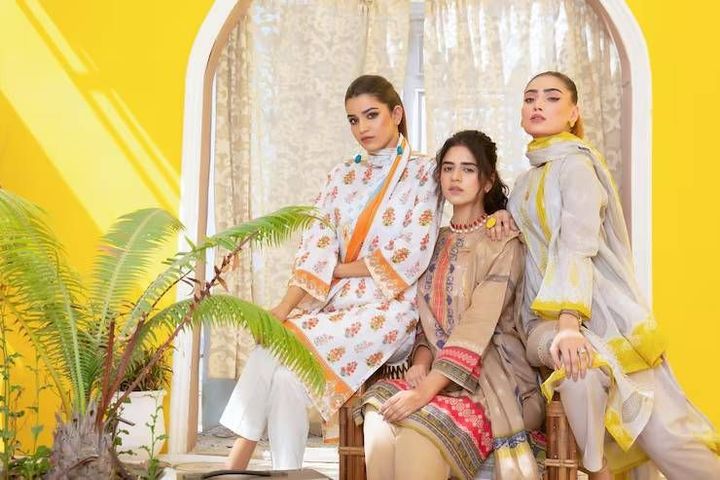
Indo-Western Outfits combine elements associated with Indian clothing and contemporary Western fashion. The approach can include traditional Indian fabrics, prints, embroidery, draping, or silhouettes alongside shirts, blazers, jeans, trousers, skirts, dresses, jackets, sneakers, boots, or other modern pieces.
The style has developed across many regions as fashion becomes increasingly influenced by travel, migration, social media, international entertainment, and cultural exchange. People may adapt Indian garments to their local wardrobes or combine Western clothing with Indian accessories and textiles.
There is no single formula for Indo-Western dressing. A person in London might wear a kurta with tailored trousers and loafers, while someone in Singapore might combine a sari-inspired drape with a contemporary blouse. A person in New York could pair an embroidered Indian jacket with denim, while someone in Dubai might combine a long tunic with wide-leg trousers.
How the Style Works
Indo-Western dressing generally works through the combination of different elements rather than reproducing a complete traditional outfit.
A kurta with jeans creates a casual combination by pairing an Indian tunic silhouette with Western denim.
A sari with a structured jacket changes the visual character of traditional draping by introducing tailoring.
An embroidered Indian jacket with trousers can bring textile details into a more conventional Western outfit.
A lehenga-inspired skirt with a fitted shirt combines an Indian festive silhouette with a familiar contemporary top.
A dupatta with a simple dress or coordinated separates introduces an Indian draping element without changing the entire outfit.
Why Global Fashion Influences Matter
Indian designers and fashion communities have increasingly participated in international fashion conversations. Recent collections have shown Indian textiles, traditional references, and craft techniques combined with silhouettes intended for international wardrobes.
This exchange also works in the opposite direction. Western tailoring, streetwear, sportswear, minimalist dressing, and contemporary accessories can influence how Indian garments are styled.
Importance
Creating Flexible Wardrobes
Indo-Western Outfits can provide flexibility because individual pieces can work across different settings. An embroidered jacket may be worn with traditional clothing for a celebration and later combined with jeans or tailored trousers.
This approach can make cultural clothing easier to incorporate into everyday wardrobes without requiring a complete change of dressing style.
Adapting to Different Occasions
The same combination concept can be adjusted for casual gatherings, workplaces, travel, celebrations, dinners, cultural events, and formal occasions.
For example, a cotton kurta with straight trousers may suit daytime activities, while a silk drape with a structured blazer can create a more formal appearance.
Connecting Cultural and Contemporary Style
Fashion can provide a visual connection between heritage and modern life. Traditional Indian textiles, embroidery, silhouettes, and accessories can remain visible while the overall outfit reflects contemporary international dressing.
This is particularly relevant for people who live between cultures or regularly participate in multicultural environments.
Supporting Personal Expression
Indo-Western styling allows individuals to choose how much of each influence they want to include. Some outfits may contain only a small Indian detail, while others can combine several Indian and Western elements.
The approach therefore works across different levels of cultural expression rather than requiring a fixed appearance.
Common Combinations
| Indian Element | Western Element | Suitable Style Direction |
|---|---|---|
| Kurta | Jeans | Casual |
| Embroidered jacket | Trousers | Smart casual |
| Dupatta | Contemporary dress | Occasionwear |
| Sari drape | Structured blouse | Formal |
| Lehenga-style skirt | Shirt | Festive contemporary |
| Nehru-style jacket | Chinos | Semi-formal |
| Indian print | Denim jacket | Streetwear |
| Traditional jewelry | Minimal dress | Evening |
Recent Updates
Indian Fashion on the Global Stage
Indian fashion has gained greater international visibility through designers, fashion weeks, cultural collaborations, celebrity styling, and global retail distribution. Vogue reported in 2024 that Indian designers were increasingly appearing in international fashion environments, including Paris, while Indian craft traditions were being adapted for contemporary wardrobes.
In 2025, international fashion coverage also highlighted collections combining Indian references with Western silhouettes. Rahul Mishra's AFEW collections, for example, incorporated Indian craft and textile references into contemporary shapes intended for broader international appeal.
Fusion With Streetwear
The connection between Indian clothing and streetwear has also expanded. Recent fashion coverage has highlighted Indian techniques such as bandhani being applied to sporty silhouettes and Indian garments being reinterpreted as contemporary outerwear.
This creates combinations such as printed Indian textiles with sneakers, oversized jackets, relaxed trousers, hoodies, or denim.
Cross-Cultural Styling
Contemporary designers are also drawing from multiple cultural backgrounds rather than treating fashion as a simple Indian-versus-Western comparison.
Priya Ahluwalia's 2025 collection, for example, reflected Indian and Nigerian clothing influences alongside contemporary Western fashion. Her work illustrates how multicultural experiences can shape modern clothing without fitting into a single national category.
Modern Wedding Dressing
Wedding and celebration clothing has become another area where Indian and Western silhouettes are combined. Contemporary examples include Indian skirts with Western tops, saris with jackets, and formal dresses incorporating Indian textile or decorative elements.
These combinations can also make individual garments suitable for more than one type of occasion.
Relaxed Silhouettes and Layering
International fashion has continued to explore layering, relaxed proportions, scarves, draping, wide-leg trousers, structured jackets, and mixed textures. These developments create natural opportunities for Indian garments and accessories to be incorporated into contemporary outfits.
Laws or Policies
Clothing Rules Vary by Country
Fashion regulations differ across countries, so there is no single worldwide clothing-labeling framework. When garments are produced or distributed internationally, manufacturers and retailers generally need to understand the requirements of each destination market.
These rules may address fiber information, country of origin, care instructions, product descriptions, consumer protection, and environmental claims.
United States
In the United States, the Federal Trade Commission requires many textile and wool products to provide information such as fiber content, country of origin, and the identity of the responsible manufacturer or marketer. Care-labeling rules also apply to covered textile apparel.
This can be relevant to Indo-Western garments made from combinations of cotton, silk, wool, synthetic fibers, or blended materials.
United Kingdom
The UK requires textile products placed on its market to provide fiber-content information. When a product contains components with different fiber compositions, the relevant contents need to be identified on the label.
International Considerations
Designers and apparel businesses working across borders may need to consider:
Fiber-content labeling
Country-of-origin requirements
Care instructions
Import documentation
Consumer-protection rules
Product descriptions
Textile composition
Rules concerning environmental or sustainability claims
Cultural and intellectual-property considerations
Because regulations vary by market, international apparel businesses should consult the relevant authority for the destination country before distributing garments there.
Tools and Resources
Digital Outfit Planners
Digital wardrobe and outfit-planning applications can help users combine individual garments before creating a complete look. A user can experiment with jackets, trousers, dresses, scarves, jewelry, footwear, and other elements.
Color Coordination Tools
Color-wheel applications and digital styling tools can help compare complementary, analogous, neutral, and contrasting combinations.
For Indo-Western styling, these tools can be useful when combining richly colored Indian textiles with neutral Western garments.
Virtual Wardrobes
A digital wardrobe can catalog existing clothing and accessories. This can make it easier to identify combinations such as an embroidered jacket with denim, a kurta with trousers, or Indian jewelry with a contemporary dress.
Fabric and Textile References
Textile references can help users understand characteristics of materials such as cotton, silk, linen, wool, viscose, denim, brocade, handwoven fabrics, and blended textiles.
Understanding fabric weight and texture is particularly useful when combining pieces from different fashion traditions.
Fashion Archives and Museum Collections
Museum collections, fashion archives, and digital exhibitions can provide historical context for Indian textiles, draping techniques, embroidery, tailoring, and international fashion.
These resources can help distinguish traditional references from newer interpretations and provide inspiration without treating cultural clothing as a fixed style.
International Fashion Publications
Fashion publications and runway archives can help users observe how designers combine cultural references with contemporary silhouettes. Recent international coverage demonstrates that Indian fashion references are increasingly appearing alongside global fashion influences.
FAQs
What are Indo-Western Outfits?
Indo-Western Outfits combine Indian clothing elements such as kurtas, saris, embroidery, textiles, jewelry, or dupattas with contemporary Western garments and accessories.
How can Indo-Western Outfits be styled casually?
A kurta with jeans, an embroidered jacket with relaxed trousers, or an Indian-print top with denim can create casual combinations. Sneakers, simple bags, and understated accessories can further shift the look toward everyday dressing.
Can Indo-Western Outfits work for formal occasions?
Yes. Structured jackets, sari-inspired draping, embroidered fabrics, tailored trousers, formal footwear, and refined accessories can create combinations suitable for formal events.
Are Indo-Western Outfits popular outside India?
Indian-inspired fashion has gained greater international visibility through designers, global fashion weeks, multicultural communities, streetwear, celebrity styling, and international collaborations. Recent fashion coverage has documented increasing global attention toward Indian design and craft.
How can Indo-Western Outfits work across different countries?
The combination can be adapted according to climate, local dress customs, occasion, and personal preferences. A lightweight kurta may work in a warm climate, while the same piece can be layered with a blazer or coat in cooler regions.
Conclusion
Indo-Western Outfits bring together Indian clothing traditions and contemporary international fashion in many different forms. Kurta-and-denim combinations, sari-inspired styling, embroidered jackets, modern skirts, tailored pieces, and Indian accessories can all create distinct fusion looks. Recent global fashion developments show increasing interaction between Indian craftsmanship, multicultural influences, streetwear, and contemporary silhouettes. The result is a flexible style approach that can be adapted to different countries, climates, occasions, and personal identities.