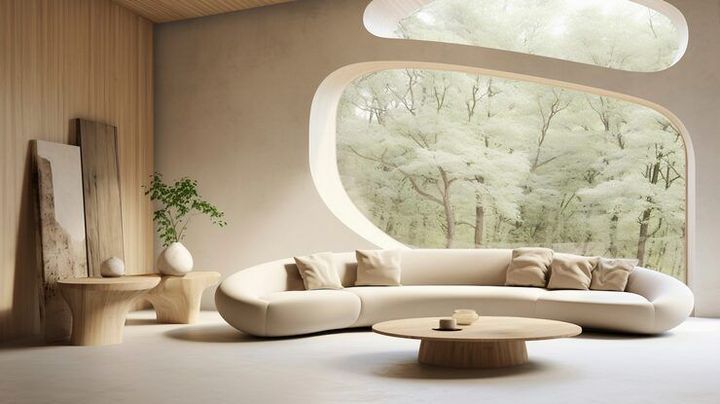
Generative Interior Design: Guide to AI-Powered Design and Practical Insights
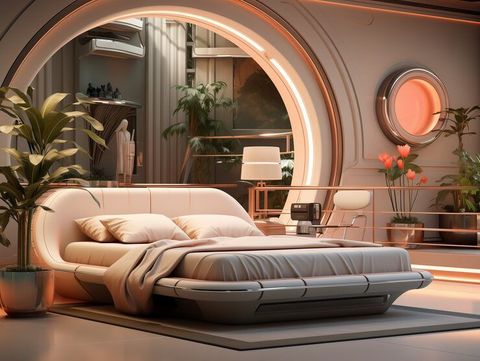
Generative interior design uses artificial intelligence (AI), machine learning, and digital visualization tools to create, modify, and evaluate interior design concepts. Instead of developing every layout manually, designers can provide requirements such as room dimensions, preferred styles, furniture arrangements, materials, lighting conditions, and functional needs.
The software then generates visual concepts based on those inputs. Designers can compare different layouts and refine selected concepts before moving toward detailed planning or physical implementation.
Generative interior design can be used for homes, offices, hotels, retail environments, restaurants, healthcare spaces, educational facilities, and other indoor environments.
How AI-Powered Design Works
AI-powered interior design generally follows a sequence of digital steps:
Input collection: Room dimensions, photographs, floor plans, design preferences, and functional requirements are provided.
Spatial analysis: Software identifies walls, openings, furniture zones, circulation paths, and other visible elements.
Concept generation: AI creates one or more design concepts based on the supplied requirements.
Visualization: The concepts are converted into rendered images or interactive views.
Refinement: Users adjust colors, materials, furniture, lighting, and spatial arrangements.
Design development: Selected concepts can be transferred into conventional design or architectural software for further development.
The exact process varies between platforms. Some tools focus mainly on visual generation, while others connect AI with floor-plan analysis, 3D modeling, or building information workflows.
Importance
Faster Concept Exploration
Traditional interior design can require multiple rounds of sketches, mood boards, material studies, and 3D visualizations. Generative tools can create multiple alternatives quickly, allowing designers to explore different directions during the early concept stage.
This does not remove the need for professional judgment. Instead, it can provide additional starting points for evaluation.
Personalized Interior Concepts
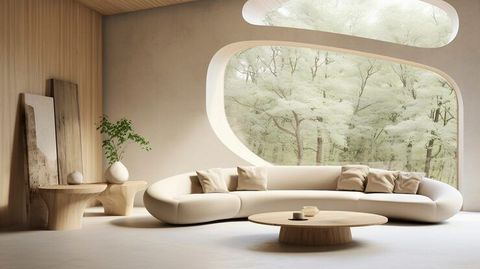
AI systems can generate concepts around specific preferences. A user might request a minimalist living room with natural materials, warm lighting, concealed storage, and a particular furniture arrangement.
The resulting concepts can then be modified according to practical requirements such as available space, circulation, daylight, accessibility, and existing architectural features.
Better Visual Communication
Interior concepts can be difficult to understand when they are presented only through technical drawings. AI-generated visualizations can provide a more accessible representation of possible finishes, furniture arrangements, colors, and spatial character.
This can help different participants discuss the same design direction before detailed development begins.
Support for Different Interior Spaces
Generative interior design can be applied across several environments.
| Interior Type | Typical AI-Assisted Application |
|---|---|
| Residential | Room layouts, furniture concepts, color schemes |
| Offices | Work zones, meeting areas, circulation planning |
| Hotels | Guest-room concepts, lobbies, shared spaces |
| Retail | Display arrangements and visual themes |
| Restaurants | Seating concepts, lighting, material combinations |
| Healthcare | Spatial concepts and visual communication |
| Education | Classroom and collaborative-space concepts |
Recent Updates
Multimodal AI for Interior Concepts
Recent AI systems increasingly combine text, images, floor plans, and other forms of input. This allows a design workflow to begin with a photograph, sketch, room description, or combination of several inputs rather than relying solely on written prompts.
Multimodal systems can interpret visual information and generate new concepts around the existing environment.
AI Image Generation and Editing
Image-generation technology has expanded the ability to create interior concepts from natural-language instructions. Users can describe a design direction and then make iterative changes such as replacing furniture, changing wall finishes, adjusting lighting, or modifying decorative elements.
Image editing is particularly useful when an existing room needs to be visually explored without completely rebuilding the scene.
Integration With 3D Workflows
AI-assisted visualization is increasingly being combined with 3D modeling and architectural design workflows. A generated concept can serve as an early visual reference before designers create a more precise three-dimensional model.
This distinction is important because an attractive generated image does not automatically represent a technically buildable space.
Improved Material and Lighting Visualization
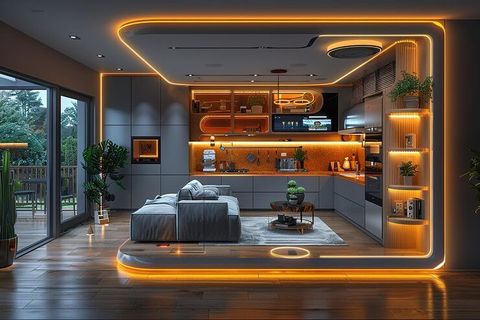
Generative systems can produce variations involving wood, stone, metal, fabric, glass, paint finishes, and other visual materials. Lighting scenarios can also be explored to understand how a space might appear under different conditions.
However, digital visualization may not perfectly reproduce the physical appearance of every material. Actual samples and technical specifications remain important during detailed design.
Human-AI Collaboration
A significant direction in generative interior design is collaboration between designers and AI systems. Instead of treating AI as a replacement for professional design work, many workflows use it as a concept-generation and visualization layer.
Human designers remain important for spatial reasoning, building requirements, accessibility, material selection, technical coordination, and final design decisions.
Laws or Policies
Data Privacy
Interior design projects can contain sensitive information such as photographs of private homes, floor plans, office layouts, addresses, and project documentation.
Before uploading project information to an AI platform, users should review the platform's privacy documentation and understand how submitted data is stored, processed, and retained.
Copyright and Design Rights
AI-generated images can involve complex copyright questions. The legal treatment of AI-generated content varies by jurisdiction and can change as courts, lawmakers, and intellectual-property authorities develop new guidance.
Designers should also avoid assuming that an AI-generated concept is automatically free from third-party intellectual-property concerns.
Building and Accessibility Requirements
AI-generated concepts do not replace local building regulations, fire-safety requirements, accessibility rules, electrical standards, or other applicable regulations.
A generated layout may look visually suitable while failing to provide required circulation widths, emergency access, accessibility provisions, ventilation, or technical clearances.
Professional Responsibility
Where an interior project requires licensed architectural, engineering, electrical, structural, or other professional input, AI-generated concepts should be reviewed through the appropriate professional workflow.
The legal requirements differ between countries and project types, so project teams should verify applicable local regulations before implementation.
Tools and Resources
AI Interior Visualization Platforms
AI-powered design platforms can generate room concepts from prompts, photographs, sketches, or floor plans. They are particularly useful during early-stage visualization and design exploration.
3D Modeling Software
Conventional 3D software remains important when accurate geometry, dimensions, materials, lighting, and spatial relationships are required.
AI-generated concepts can be used as visual references before developing a more precise model.
Floor-Plan Tools
Floor-plan applications help translate spatial requirements into measurable layouts. They can be useful for checking whether furniture and circulation arrangements fit within the available room dimensions.
Material Libraries
Digital material libraries provide visual references for surfaces such as flooring, wall finishes, fabrics, metals, wood, and stone.
When a project moves beyond visualization, designers should verify physical material specifications, dimensions, performance characteristics, and installation requirements.
Design Standards and Professional Resources
Useful resources can include:
Local building regulations
Accessibility standards
Fire-safety requirements
Lighting standards
Electrical requirements
Manufacturer technical documentation
Architectural and interior-design software documentation
Professional design organizations
FAQs
What Is Generative Interior Design?
Generative interior design uses AI and digital tools to create interior concepts based on information such as room dimensions, images, design preferences, furniture requirements, and functional needs.
How Does AI-Powered Interior Design Work?
AI-powered interior design typically analyzes user inputs and generates visual or spatial concepts. Users can then modify the results and develop selected concepts through more precise design workflows.
Can Generative Interior Design Create Complete Room Layouts?
Some AI tools can generate proposed layouts, furniture arrangements, and visual concepts. However, generated layouts should be checked for dimensions, circulation, accessibility, building requirements, and practical usability.
Is AI-Generated Interior Design Suitable for Professional Projects?
AI can support professional workflows during concept development and visualization. Detailed projects still require appropriate technical review, accurate measurements, material verification, and professional coordination.
What Information Should Be Provided to an AI Interior Design Tool?
Useful inputs can include room dimensions, photographs, floor plans, preferred design styles, furniture requirements, color preferences, lighting conditions, material preferences, and functional requirements.
Conclusion
Generative interior design combines AI with visualization, spatial planning, and conventional design workflows to explore interior concepts more efficiently. It can help users examine different layouts, materials, furniture arrangements, lighting ideas, and visual styles during the early stages of a project.
AI-powered design is most useful when its generated concepts are treated as starting points rather than final technical drawings. Human review remains important for dimensions, building requirements, accessibility, materials, safety, and practical functionality.
As multimodal AI, 3D technologies, and digital design platforms continue to develop, generative interior design is becoming an increasingly relevant part of modern interior visualization and planning.