Designer Fashion: Explore Luxury Styles, Trends, and Key Information
Designer Fashion refers to clothing, accessories, footwear, and related products developed around distinctive creative concepts, craftsmanship, materials, construction methods, and brand identity. It includes haute couture, luxury ready-to-wear, designer accessories, footwear, handbags, jewelry, and other fashion categories.
Designer fashion has developed across many cultural centers, including Paris, Milan, London, New York, Tokyo, Seoul, Mumbai, Dubai, and other cities with influential creative communities. Each region contributes different approaches to textiles, tailoring, silhouettes, ornamentation, color, craftsmanship, and cultural expression.
Luxury fashion is often associated with limited production, distinctive design, skilled craftsmanship, premium materials, heritage techniques, and strong creative direction. However, designer fashion is broader than luxury alone and can include independent designers, contemporary labels, avant-garde collections, and culturally focused fashion houses.
How Designer Fashion Develops
A designer collection usually begins with a creative concept. Designers may draw inspiration from architecture, art, history, music, nature, cinema, regional traditions, or contemporary culture.
The concept is translated into sketches, fabric selections, patterns, prototypes, fittings, and final garments. Designers and technical teams consider proportions, construction, movement, durability, texture, color, and finishing throughout the development process.
Fashion collections may then appear through runway presentations, fashion weeks, digital showcases, editorial photography, brand websites, boutiques, department stores, and other international fashion channels.
Major Categories
Haute couture involves highly specialized garments produced with extensive handwork, detailed construction, and individual fitting.
Luxury ready-to-wear combines designer concepts with garments produced in standardized sizes and quantities.
Contemporary designer fashion often emphasizes distinctive aesthetics, innovative materials, unusual silhouettes, or cultural influences.
Designer accessories include handbags, footwear, eyewear, belts, scarves, hats, and other items that complement clothing.
Designer jewelry combines fashion design with materials such as precious metals, gemstones, pearls, and other decorative elements.
Avant-garde fashion experiments with unconventional shapes, materials, construction techniques, and artistic concepts.
Importance
Cultural Expression
Designer Fashion can reflect cultural identity and social change. Designers frequently incorporate traditional textiles, embroidery, weaving techniques, regional silhouettes, and historical references into contemporary collections.
Examples include Japanese draping techniques, Indian embroidery, Italian tailoring, African textile traditions, Korean streetwear influences, and Middle Eastern approaches to modest fashion.
This interaction between heritage and contemporary design allows fashion to function as both clothing and cultural communication.
Craftsmanship
Craftsmanship remains an important part of luxury fashion. Specialized techniques can include hand embroidery, tailoring, leather construction, beading, pleating, weaving, printing, dyeing, and decorative finishing.
Some fashion houses maintain workshops where skilled artisans perform highly specialized processes. Digital technologies are increasingly being introduced alongside these traditional techniques rather than completely replacing them.
Personal Style
Designer fashion provides numerous ways for people to express individual identity. Clothing can communicate preferences relating to color, silhouette, culture, profession, lifestyle, artistic interests, and social occasions.
The same garment can also be styled differently through accessories, layering, footwear, jewelry, or alterations.
Economic and Creative Ecosystem
Fashion involves a broad network of designers, textile producers, pattern makers, manufacturers, photographers, stylists, retailers, technology companies, artisans, logistics organizations, and creative professionals.
Major fashion events also connect designers with international media, cultural institutions, buyers, and audiences. The result is an ecosystem that combines creative production with manufacturing, technology, communication, and global trade.
Key Elements of Designer Fashion
| Element | Main Role | Examples |
|---|---|---|
| Silhouette | Defines overall shape | Tailored, oversized, draped |
| Fabric | Influences appearance and feel | Silk, wool, linen, leather |
| Craftsmanship | Adds construction detail | Embroidery, tailoring |
| Color | Creates visual identity | Neutral, vivid, monochrome |
| Pattern | Adds visual structure | Floral, geometric, abstract |
| Accessories | Completes an outfit | Bags, shoes, eyewear |
| Branding | Communicates identity | Logos, motifs, signatures |
| Technology | Adds new capabilities | Digital design, smart textiles |
Recent Updates
Luxury Fashion Recalibration
The global luxury fashion sector has entered a period of adjustment after several years of strong expansion. McKinsey and The Business of Fashion reported that luxury experienced weaker economic performance in 2024 and described 2025–2026 as a period of strategic recalibration, with changing consumer priorities and greater attention to creativity, craftsmanship, and perceived value.
This shift is also influenced by differences between regions. Consumer expectations in the United States, China, Europe, India, the Middle East, and other markets can vary significantly, making global fashion increasingly diverse rather than centered around a single consumer profile.
Artificial Intelligence in Fashion
Artificial intelligence is becoming part of fashion design, product discovery, image creation, trend analysis, inventory planning, and digital shopping experiences.
AI tools can analyze large collections of visual and commercial data, assist with design concepts, generate visual references, and help organize product information. McKinsey's 2026 fashion research also identifies AI-driven shopping and digital discovery as major changes affecting how people encounter fashion products.
Human creative direction remains important because generated concepts still require evaluation for cultural relevance, practicality, originality, construction, and brand identity.
Resale and Circular Fashion
Resale has become an increasingly visible part of the global fashion landscape. Research from McKinsey indicates that secondhand fashion and luxury are projected to expand faster than the firsthand market through 2027.
This has created greater interest in garment longevity, authentication, repair, refurbishment, archival fashion, and material traceability.
Digital Product Passports
Digital Product Passports are emerging as an important technology for textile transparency. The European Union's Ecodesign for Sustainable Products Regulation provides the legal framework for Digital Product Passports, while textile apparel is identified as a priority product group for future requirements.
The European Commission launched a Digital Product Passport Registry and testing environment in 2026. The system is designed to support product information, traceability, and regulatory compliance for products within the applicable framework.
Fashion and Technology
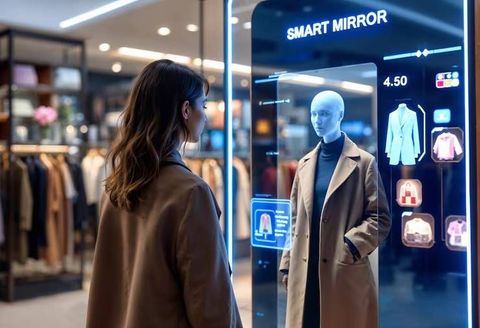
Smart eyewear, digital fitting tools, virtual presentation environments, 3D design, computer-aided pattern development, and connected retail systems are expanding the relationship between technology and fashion.
The 2026 State of Fashion research identifies smart eyewear as an important emerging category where fashion and technology increasingly overlap.
New Interest in Craftsmanship
At the same time that digital technology is expanding, craftsmanship continues to receive attention. Luxury fashion houses are emphasizing creativity, construction quality, heritage techniques, and distinctive design as the sector responds to changing consumer expectations.
This creates an interesting combination of traditional handwork and advanced digital production methods.
Laws or Policies
European Union Textile Rules
The European Union has detailed requirements for textile labeling. Textile products marketed to consumers generally need labels identifying fiber composition, and the information must follow specified naming and presentation requirements.
These requirements are particularly relevant to international designer fashion companies that distribute garments across European markets.
Ecodesign Regulation
The EU Ecodesign for Sustainable Products Regulation, adopted in 2024, creates a framework for requirements involving durability, repairability, recyclability, resource efficiency, recycled content, and product information. Textile apparel is among the product groups being developed within this framework.
Future textile-specific requirements may influence how designer garments are designed, documented, manufactured, and managed throughout their life cycles.
United States Textile Rules
In the United States, the Federal Trade Commission provides requirements and guidance covering areas such as textile fiber content, country of origin, care labeling, wool, fur, and leather-related information.
Environmental claims also need appropriate substantiation. The FTC Green Guides address how environmental marketing statements should be presented so that consumers are not misled by broad or unsupported claims.
Wildlife Materials and CITES
Some luxury fashion products may involve wildlife-derived materials such as particular reptile skins. International trade in species covered by the Convention on International Trade in Endangered Species of Wild Fauna and Flora, known as CITES, can require permits or other documentation depending on the species and transaction.
The CITES Trade Database records international trade involving listed species and includes terms related to leather goods and skins.
Country-Specific Requirements
Fashion companies operating internationally must also consider local requirements concerning labeling, consumer protection, product safety, intellectual property, customs, environmental claims, and material restrictions.
Rules differ considerably between jurisdictions. A garment compliant in one market may require additional documentation or labeling before entering another market.
Tools and Resources
Digital Design Software
Computer-aided design platforms allow designers to create technical drawings, experiment with silhouettes, develop color combinations, and prepare production specifications.
Digital pattern systems can also help designers visualize garment construction before physical prototypes are created.
3D Fashion Design
Three-dimensional fashion software can simulate garments on digital avatars. Designers can examine shape, drape, proportions, and selected fabric characteristics within a virtual environment.
This can reduce reliance on repeated physical prototypes during certain stages of development.
Trend Research Platforms
Trend research tools collect information from runway collections, street style, social platforms, cultural events, and consumer behavior.
Designers can use these resources to identify recurring colors, silhouettes, materials, patterns, and cultural influences.
Material Databases
Material libraries provide information about fabrics, fibers, finishes, construction methods, and technical properties.
Useful information can include fiber composition, weight, stretch, durability, care requirements, and environmental characteristics.
Digital Product Passport Resources
European Commission resources provide information about Digital Product Passports, current regulatory developments, implementation activities, and textile-specific requirements. These resources are particularly relevant for brands operating in European markets.
Fashion Archives and Museums
Fashion museums, digital archives, university collections, and cultural institutions can help researchers understand historical garments, designers, textile techniques, and changing silhouettes.
These resources are useful for studying how contemporary designer fashion draws from earlier periods while developing new visual languages.
FAQs
What is Designer Fashion?
Designer Fashion refers to clothing and accessories developed around distinctive creative direction, design concepts, materials, craftsmanship, construction, and brand identity.
What makes Designer Fashion different from ordinary clothing?
Designer Fashion generally places greater emphasis on creative direction, distinctive construction, materials, craftsmanship, heritage, and artistic identity. The exact characteristics vary widely between designers and fashion categories.
What are current Designer Fashion trends worldwide?
Current trends include digital design, AI-assisted fashion discovery, resale, circularity, renewed interest in craftsmanship, smart accessories, personalized digital experiences, and changing interpretations of luxury.
How is technology changing Designer Fashion?
Technology is influencing design software, 3D garment development, AI-assisted research, digital presentations, virtual fitting, smart accessories, product information, and fashion discovery.
Is sustainable design becoming important in Designer Fashion?
Yes. Sustainability-related requirements are becoming more significant in several markets, particularly through rules concerning product information, durability, circularity, materials, and environmental claims. The EU's developing textile framework is one major example.
Conclusion
Designer Fashion combines creative direction, craftsmanship, cultural influences, materials, technology, and personal expression across international markets. Current developments include AI-assisted design, digital product information, resale, smart fashion technology, and renewed attention to craftsmanship. Regulations in regions such as the European Union and United States are also influencing labeling, environmental claims, product information, and material transparency. Together, these developments are shaping a fashion landscape that connects traditional creative techniques with increasingly digital and globally connected practices.